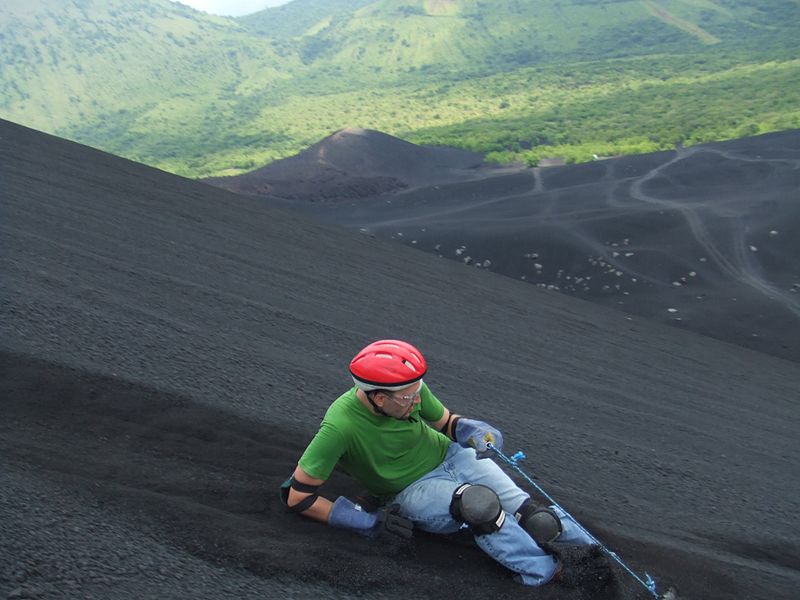
Want to introduce a bit more excitement into your life? We’ve put together a two-speed guide to the most extreme sports out there. It’ll give you the chance to go on an adrenaline-fueled walk, before you take on an adrenaline-fueled run.
You know the story of Jekyll and Hyde? The rational doctor who by night transforms into a base and dangerous maniac? Well here’s the story of Hyde and super-Hyde.
We’ve picked out a few exciting sports and their snarling, even crazier, alter egos. Read ’em through and see what kind of extreme sports are out there – and just how extreme they can get.
Fishing is one of the most relaxing and addictive sports known to man. There is nothing better than setting up your rod and line, sitting back in your folding chair and sipping from your flask of hot tea while you wait for the fishes to come to you. It’s a chance for you to sit with nature, day or night, and get some peace and quiet, and time away from your busy life. If you’ve never tried it before perhaps now is the time?
You don’t need much to get started – just a few bits of equipment and some basic knowledge. You’ll learn along the way too – both from your own experience and from that of fellow fishermen so don’t worry that you’re not an expert just yet. You’ll find that other fishermen are really happy to pass on their tips so get talking to them – you’ll pick up a lot. Here are the basics that you need to get started:
Advances in science and technology have transformed the way we live our lives. In laboratories across the globe, scientists are on a quest to heal our ailments and help us to live longer. In doing so, they are finding ways to help us to become superhuman – a fate many athletes aspire to achieve. By discovering new uses for drugs originally designed for other purposes, scientists are providing athletes with the opportunity to enhance their performance beyond that achieved through their daily training. The use of drugs to enhance physical performance, mask the pain of injuries or cope with the pressures of daily life is known as doping, and it provides an athlete with an unfair advantage. Athletes are banned from doping. However, a small minority choose not to play by the rules.
Which Banned Drugs Are The Most Commonly Used?
There are five main doping classes, which are categories of banned substances. They include:
Airsoft guns can be an extremely safe hobby, but they can cause harm if used improperly. Any time you’re shooting a small projectile, there is a risk of harming someone. By observing some basic airsoft safety guidelines, you will be able to use your own gun, whether it’s by King Arms airsoft guns or another leading brand, in a way that is both enjoyable and safe.
Wear Eye Protection
The most important rule for any airsoft gun is to wear eye protection since an airsoft pellet to the eye can do significant damage. The most basic place to start is with a pair of goggles that will completely cover your eyes. Sunglasses won’t provide the complete coverage you’ll need in the event of a stray shot or ricochet. Remember that CQB can be chaotic with shots coming from a variety of directions.
Your best bet is to wear a face shield or mask that will also cover your mouth as well. If you end up in tight quarters, a shot from someone nearby could end up chipping your tooth. That is not necessarily likely, but it would be painful.
Wear Long Sleeves and Gloves
While most retailers sell clothing that is specially designed to handle the impact of an airsoft pellet, long-sleeved clothing will be good enough to protect your skin from the sting of being hit. One piece of protection that is easy to overlook are gloves. Light and thin airsoft gloves can protect your knuckles from a painful hit that is certain to come with so many shots being aimed at your body’s midsection.
Traveling with Airsoft Guns
Always keep airsoft guns out of public view when traveling since most people wouldn’t know the difference between an airsoft gun and a real one at first glance. A good rule of thumb is to travel with your airsoft gun unloaded and in a bag so that there’s no confusion or trouble.
Safely Using Your Airsoft Gun
There are some basic safety rules that will be common sense for anyone, such as never pointing or aiming an airsoft gun at someone’s face and never shooting someone at close quarters where a pellet could penetrate the skin. It’s also a good idea to get the shooting velocity of your gun tested and to only compete with players who have done the same in order to ensure no one has enhanced the velocity to a speed that is unsafe.
There are many safety concerns with airsoft guns since they look exactly like real guns, save for the orange cap at the end of the barrel. Law enforcement officials may not able to see the orange cap on your gun from far away, so be careful that your neighbors know if you’re playing with airsoft guns and that you limit your time to areas that are either enclosed or known as airsoft gun ranges.
Another commonsense rule is to never take your airsoft gun into a public space, especially a school, airport, mall or urban area. There are plenty of people who don’t even know about airsoft guns, so you could easily alarm people if you walk around with something that looks like an automatic weapon.
Brian Spellman is a weekend airsoft enthusiast in Atlanta, Georgia. If you’re ever on an airsoft range in the Atlanta area, he’s most likely flanking you.
Avoiding danger is no safer in the long run than outright exposure. The fearful are caught as often as the bold. –Hellen Keller
Many of us dream big in our daily lives, we dream of romance, power, wealth, and often time’s adventure. But few of us ever go beyond our day dreaming to make things happen. Sometimes you just can’t find your March of the Penguin partner for life, you never seize any real seat of power, and great wealth is always in short demand. But adventure is one of those dreams where any of us can actually make it happen and it’s almost guaranteed to be achieved. All you have to do is try.
But some people are Try-Hards, and they take adventurous activities to the next level. Adventure to some is not trail hiking, skiing at a resort, or even regular old sky diving (as though that’s not enough). Some go out of their way to find the thrills, and often spills, of big time adventure activities. If you are unsure what constitutes such things, continue reading and go over this list, it’ll tell you 10 of the most dangerous activities anyone can take part in… that is if you’re daring enough.
Free solo climbing is considered the purest form of climbing, and is done without safety equipment of any sort. That means no harness, no ropes or any other sort of protective gear. This makes the sport extremely dangerous as at about 20-30 feet above ground is enough to either severely injure someone, or potentially kill them if they were to fall. Not to mention, it’s not dangerous enough for these climbers to only scamper 20 or so feet up. Some will climb hundreds and even thousands of feet up the side of a wall, and not even bat an eye when they look down. For proof of this, check out one of the most well-remembered of free solo climbers Dan Osman. Sadly he died in 1998, but his skill and courage will probably never be forgotten.
Base jumping is one of the more dangerous forms of parachuting, where a person does not have the time to make a mistake. Generally they never carry a backup parachute as there is not enough time to deploy it if the first one fails. Base is an acronym and stands for buildings, antennas, spans, and earth. Generally, base jumping is illegal because most of the places people choose to jump from are off-limits. Such as the Eiffel Tower, Chrysler Building, and other big name locations. Not only is there the thrill for these people of jumping, but also of evading authorities both before and after the jump as occurred.
Wing suit flying in itself is where a skydiver jumps from a plane and soars like a sugar glider. It adds a lot more time to the overall “freefall” and the distance that is covered can be miles long. However, regular wingsuit flight isn’t enough for some. There are those that want to do proximity flying, which means soaring as close to the ground as possible. And when I say close, I mean really close. At times they will soar no more than 20 feet from the ground, dodging trees, rocks, and at times even people watching. If you have never witnessed this, do yourself a favor and look it up and prepare to be amazed. Your jaw will most certainly drop.
Originally, bull running was a tradition of driving bulls from corrals in cities through the streets and into the bullring where they were to do battle with the Matador. Nowadays this festivity still exists and has become an activity in itself. Though it is certainly not for the faint of heart, feeble of mind, or the flawed of physique. Meanwhile there is only one rule, run. Run as fast as you can and try extremely hard not to get gored by a bull. It will most certainly ruin your experience.
Hang gliding is considered one of the most dangerous in-air sports around. 1 out of every 100,000 flights ends in an accident, and you can imagine what happens if the kite you’re flying on fails you. There is no other safety precaution that can be taken, no parachute, and no cabin to protect you if things go awry. It’s almost nothing more than a glorified paper plane you’ve strapped yourself into, and all paper planes eventually crash to the ground.
Now some people will say they’ve been mountain climbing before, they’ve done a fourteener or two in their time and it wasn’t that bad. But real mountain climbing doesn’t involve trails that lead to the top. Real mountain climbing involves plotting new paths, scaling others that were thought impossible, or overall just climbing the hardest parts of a mountain. There are countless risks involved and numerous people die every year in attempting it. Though, once at the top, there is no doubt to be fewer places in the world with a better view.
Some people are not satisfied climbing as high as they can go, but would rather dive as deep as possible. Recreational scuba diving is fun and has very little risk associated if you are prepared and skilled. But scuba diving in caves, ship wrecks, and those that go deep-sea scuba diving take it to the next level. They also get to see things in this world that few others even know exist. Then there is also the danger of sharks and other creatures that will snap you up and drag you down deep to Davy Jones’ Locker.
Recreational Boating
Some people have a love for the high seas, sadly however, there is no love to be found from the sea in return. Recreational boating and sailing is very dangerous, where anywhere from 500-1,000 people die every year from either poor weather conditions, sailing while drunk, or just plain errors made on the captains part. The worst of it to is that most of those deaths could have been preventable by either wearing their life jackets, or taking the necessary precautions needed to alert the authorities of their outing. Nearly all of the deaths involved drowning, which in itself, is a terrifying way to go.
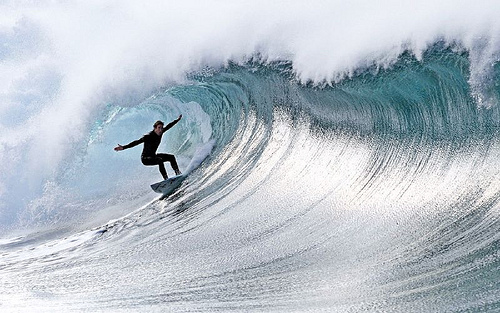
We’ve all seen people surfing waves off the coast of California and Hawaii. But big wave surfing is a whole other bread of beast. Those that attempt to do it have to navigate through waves that can be in excess of 50 feet. Then there is also the sharks that tend to frequent the same waters, and is an added danger most could do without. Never mind riding a wave that could crush almost anything in its path.
Finally there is heli-skiing, where risk takers hop on a helicopter, which has to fight the turbulence to get to the access point and is dangerous in itself, then strap their skis on, cruise down a rocky and craggy mountain, avert and avoid either causing or being caught in an avalanche, and ensure any other number of things don’t go wrong before they reach the bottom. Many people die every year in attempting to ski in places that are otherwise not accessible. But then again… they do it for the fresh pow-pow. Which I assume is reward enough.
The author of this article is Damien S. Wilhelmi. If you enjoyed this piece you can follow me on Twitter @JakabokBotch. Sometimes people don’t want to go too extreme when seeking adventure, if you want a little excitement that is a bit less dangerous, you can always Raft Denver Colorado or the surrounding area through Inaraft.com, where guided tours can be arranged.
So you’ve joined a team, bought your ice hockey skates and had a few scrapes and bangs. Now you know what the game is all about it’s time to choose your position. Take a look at the following to find out everything you need to know about ice hockey positions so you can ensure you’re perfectly placed for your next match.
The Ropes for Hockey Beginners
When you first join a hockey team you’ll probably be expected to learn the ropes by rotating between positions, which will give you a better idea of where you feel comfortable and where your strengths lie.
There are four positions in ice hockey; these are goalie, defence, centre and wing. The position names group players together based on similarity, so centres and wingers are known as ‘forwards’ and those in defence are called ‘skaters’. Forwards attempt to score goals to win the game and defenders, along with the goalie, defend the goal.
Goalie
Ice Hockey Goalies have a well-deserved reputation as the toughest sportsmen around and there’s no denying that being a goalie certainly requires guts. The goalie’s job is to keep the puck from entering the net, which can involve making some bone cracking dives and taking a battering from opposing players – not for the feint-hearted!
Defence
A full strength team has two players in defence on the left and right side of the ice. Defence players are there to defend the goal. Some choose to play more offensively, handling the puck with aplomb and leading their team up the ice, whilst others prefer to keep within their zone but play a more physical game. Work out a way to combine the two and you’ll quickly become the star of your team.
Right Wing
The right winger player will mostly stay on the right side of the ice and should be a more physical player with exceptional skating skills. The right winger player works within the defensive zone and guards the left defence player on the other team.
Left wing
In American hockey left wingers are usually left handed, but in Europe both left and right handers play in left wing. Whichever way they shoot, left wingers should know how to handle a puck and be able to battle it out in front of the net and skilfully dig out the puck from the corners to get it back in play.
Centre
If you’re not afraid of a faceoff and an ace at passing then centre is the position for you! The centre needs to be super-fit because they work at both ends of the ice, which means lots a combination of speed, skill, endurance and fearlessness. Centre’s work hard, but as goal takers they get plenty of glory too – so it helps to be an ace shot!
As with any sport, practice makes perfect and the more you play, the more you will learn about the type of player you are, so get your ice hockey skates on, get out there and pick the position that will work for you.
Featured images:
License: Image author owned
John Hinds writes for Lojix. His interests include blogging, reading, playing tennis, listening to music and traveling.
Let’s face it; we would all like to be able to sink balls into pockets on a smooth pool table like a real professional in front of strangers at a pub or local pool club. Well, maybe here is your chance. We have compiled a list of the top pool films for you to get tips and pool techniques from. All you have to do now is watch, learn and put into practice what the celluloid professionals do on a pool table. Let’s see if it works for you.
Hurray for The Hustler
This is one of the best Hollywood takes on the ‘art of pool.’ Starring the mega acting duo of Paul Newman and Jackie Gleason, they take on respectively the superb roles of Fast Eddie Felson, a confident challenger who pits his pool shooting skills against the mighty veteran pool master, Minnesota Fats. With memorable pool match ups at one of New York’s finest Billiards Halls, Ames Billiards, this is a film packed with technique and hints for any pool player wanting to improve their game. What’s more, with the legendary pool king himself, Willie Mosconi, behind the techniques displayed by Newman himself, you can be guaranteed a perfect master class. So what are you waiting for, hurry up and watch The Hustler.
Show me The Color of Money
As with all classics, there is a sequel and in this pool film, Paul Newman returns as Fast Eddie Felson, who takes on more of a mentoring role with a young Tom Cruise playing the part of Vincent Lauria. Directed by the talented Martin Scorsese, pool shooting doesn’t get any better than the Nine Ball Classic Tournament in Atlantic City, where Cruise and Newman show off their cuing skills. Again with real professionals behind the scenes such as Michael Sigel, Steve Mizerak and Keith McCready, this is a lesson in how to play pool that you will never forget.
Bite the Baltimore Bullet
The learning curves are steep when you are learning something new and that is what you will see on the pool table when you watch this classic pool film starring James Coburn as experienced pool veteran Nick Casey, also known as the ‘Baltimore Bullet.’ In this film again the lessons learnt come from the relationship between the pool master and his protégé. Together they use their pool skills to take on the Deacon, played by Omar Sharif, an ex con who will not rest his arm on a pool table for less than $5,000. Like all great pool films, real pool professionals work with the actors to make their shot making look perfect and this film is no different with many top pool players playing cameo roles in it. Packed with hints and tips from the greats, this is one film that will make your pool skills go off with a bang.
Hungry for Pool Hall Junkies
A more recent film about the mastery of pool sees Mars Callahan play pool shark Johnny who after an explosive split with his manager leaves the pool world only to come back to return to his hustling days to play a match for money and his life. Packed with high drama and insightful pool techniques the tricks were devised and taught by the legendary Robert Leblanc. So let’s hope this film has wetted your appetite for learning pool tricks that will make people hungry for more of your pool performance.
They say that practice makes perfect and by watching these classic pool films over and over again, you are certain to pick up some of the techniques to make you a pool player to be reckoned with.
Lucas Conner is a blogger who believes that by watching some of the greatest pool related films, you should be able to pick up some tips and advice on how to score on your local pool tables. Most of these films show pros making cameo appearances so you can be sure that you are learning from the best.
Side by side shotguns are mostly used for shooting game, as their name suggests, their two barrels are side by side.
Over and under shotguns have one barrel above the other. These are commonly used for clay pigeon shooting disciplines.
The majority of adult shooters tend to used 12 bore shotguns as they are the ideal combination of weight and performance for the majority of targets you will see.
A 20 bore uses a small diameter cartridge, is a small gun, is lighter with less recoil, making it ideal for younger shooters, lady shooters and people looking for less recoil through their shoulder.
Shooting equipment
Gun Slip
Gun slips come in many different styles, designs, colours and materials including canvas and leather. And while there are so many myths about concealed carry in the US, it is important to have the gun in the slip when it is not in use.
Cartridge bag
There are many different cartridge bags on sale, from belt hung pouches designed to hold 50 cartridges at a time to large hold all type bags which allow shooters to carry a variety of different cartridges that they might require for different targets during a competition shoot.
Eye protection
Protecting your eyes when clay shooting is very important because occasionally fragments of broken clay can hit shooters as they fall and these can be very sharp.
Many shooters have protective glasses with different types of lenses to suit different shooting conditions.
Different tints, orange, yellow or clear lenses will help you to pick out a flying clay against different backgrounds or light conditions.
Ear Protection
Shotguns make a loud noise, and while it isn’t loud enough to cause instant damage to hearing, over time the repeated bang can cause harm. Most reputable shooting grounds will insist that shooters wear ear plugs, of which there are many different types, foam disposable plugs, moulded plugs, moulded electronic plugs as well as standard head phone type ear muffs and electronic ear muffs.
Cartridges
All shooters have their favourite cartridges that they prefer to shoot with, and there are many manufacturers to choose from. Most people stick with a cartridge that they have shot well with!
Cartridges have two basic criteria, the load size and the load speed. The larger the individual lead balls in the shot, the further their range, but the less of them there are in each cartridge. Smaller shot sizes have more lead balls, but because each one weighs less, they don’t travel as far. Many shooters will use a different shot size for different targets depending on the range.
The speed of the cartridge tends to be personal preference. Faster cartridges tend to cost more, but suit some shooting styles. To shoot with a slower cartridge, all you need to do is allow more time for the lead shot to get to the target…. Easy! Cartridge speed varies from 1350 – 1650 feet per second.
Skeet is the Olympic discipline and consists of two traps called the high and low, at opposite ends of the range facing each other. Where ever you go in the world, a skeet range should provide targets that all fly along a very similar flight path, so it is the same where ever you practice.
Skeet has 7 stands set out in a semi-circle between the two trap houses, and you shoot a round of 25 birds as you move through the 7 stands. Many skeet shooters will shoot 100 straight on a regular basis, and it is a competition based around control and concentration.
Sporting
Sporting is more like simulated game shooting in so far as each ground will put on a large variety of different targets. From week to week there is always something new to try, and the variety is endless.
Types of Clay target
Standard -110mm Diameter – a traditional domed clay target
Midi – 90mm Diameter – a smaller version of a standard
Mini – 60mm Diameter – often called a bumblebee, these look tiny and very fast!
Battue – 110mm Diameter – very flat, flies fast and turns and dives when you really wish it wouldn’t.
Rabbit – 110mm Diameter – Stronger than a standard, designed to run along the ground at speed.
Basic Shooting Principles
Clay pigeon shooting is like catching a ball. You don’t put your hand to where the ball is, but where the ball is going to be. In the same way, you shoot to position your lead shot in the path of the flying target.
Shooting involves two basic skills, hand-eye coordination and being able to correctly read and understand each target.
Lead shot leaves your gun barrel in a cigar-shaped cloud. Your challenge is to read and understand exactly what the target is doing so that the clay flies into the path of your lead shot.
Because of the speeds and distances involved, accurately ‘reading’ what a target is doing in the air is the most important skill in clay pigeon shooting.
Many targets are optical illusions, looking like they are doing one thing, while actually doing something completely different. This is why simple looking targets are missed on such a frequent basis.
Two Simple Shooting Methods
Putting your shot in the right place requires only two things to be right, your gun speed and the moment in time when you pull the trigger. There are two basic ways to shoot, ‘swing through’ and ‘maintain lead’.
Many novice shooters begin with maintain lead, as it is a more measured method of shooting many targets. You decide how much ‘lead’ you think the target requires. ‘Lead’ is the distance you point your gun in front of the target. As the target flies through the air, you track it with the barrels of your gun the correct distance in front. When you feel the moment is right, pull the trigger and watch the clay break.
Swing through is necessary for some faster and more complex targets and is widely used by more experiences shooters. Swing through is a more seat of the pants, gut instinct shooting style. In the same way that your brain will work out how you can catch a mug you knock off a table, so experienced shooters can kill targets without measuring their shot against the target. They just know when to pull the trigger.
Different Types of Sporting Clay Targets
There are 7 basic types of clay targets for sporting shooting, which simulate many different types of game.
Rabbit
A rabbit is a strong flat 110mm clay designed to bounce along the ground at speed. Often unpredictable with a bounce when you least expect it.
Teal
A Teal clay simulates Teal duck, and flies straight up in the air, often at great speed, usually falling on the same path as it went up. These fast clays are challenging for many shooters.
Quartering
A quartering clay will be either coming towards you at an angle, or going away at an angle. Only by looking where it come from and where it lands can you really work out the exact path it is taking. Quartering clays usually need less ‘lead’ than you think.
Driven
A driven clay simulates game on a shoot being driven towards you. Driven targets can be tricky because they disappear behind your gun barrels just when you need to be able to see them! Driven birds need a swing through technique for this reason.
Incoming
Incoming clays take many forms, and can come from all angles, but basically head towards you, often hanging in the air before dropping to the ground. They are often taken for granted and missed through a lack of concentration.
Going away
Clays that are going away get small very quickly so you need to be on your toes when you call pull.
Loopers
Loopers are very often quite far away, and often ‘quarter’ towards or away from you for added complication. There are different techniques for hitting loopers depending on whether you favour shooting them as they rise, when they reach their peak, or as they are dropping.
Featured images:
License: Image author owned
Dave Holland has been shooting at Sporting Targets for many years. It is a Premier Plus registered clay pigeon shooting ground in Bedfordshire in the UK. Offering a huge variety of targets to suit all skill levels. He got started by having shooting tuition to learn the basic skills needed.
Mixed martial arts has become one of the most popular styles of combat in recent years. In addition to numerous professional MMA tournaments being held throughout the country, there’s even a realty television show based on it. As a result, more and more people are seeking to learn this highly competitive form of combat. But just how in the world are beginners supposed to learn MMA? If you are interested in learning MMA, keep reading and we’ll reveal the necessary steps.
Dieting and Exercising
The first step in learning MMA is to set your body and mind on the right path to better health. Far too many people expect to learn MMA while eating fast food and drinking sugary soft drinks on a daily basis. If this sounds familiar, you must learn to kick this habit and shift your focus towards healthier choices. This means drinking lots of water (eight-eight ounce glasses per day), eating lots of protein, and having a balanced diet with plenty of colorful fruits and vegetables. A general rule of thumb to follow when preparing your lunch and dinner is to include as many different colors as possible.
Choosing a Direction
MMA is a pretty broad term that refers to a wide range of combat styles and moved. Of course, this only makes sense considering it’s called “mixed martial arts.” Instead of trying to learn a little bit of everything, you should focus on a specific element of MMA. For instance, some people prefer the cage-style boxing and kicking moves, while others prefer on-the-floor grappling. Ask yourself which style of fighting you want to learn first and then focus on it. Sticking with a single style of fighting will allow you to learn at a faster pace. Once you’ve learned it, you can then move on to a different style associated with MMA.
Find a Trainer or Class
Once you’ve narrowed your MMA down to a specific style of fighting, you should then search for a trainer or class to learn it. While MMA styles can be learned from home, it’s much easier to pick up under the guidance of a master. They will show you exactly what you are doing wrong and how to correct it. In addition, you’ll probably meet some new friends who share the same interests in MMA as you, and this alone is worth the investment.
You don’t have to sign up for the first MMA class you come across, but instead ask the instructor if you can sit in and watch. Most places allow people to watch matches and training sessions, and this will give you an idea of what the class is like. If it looks like professional and helpful, go ahead and sign up.
A skilled MMA instructor will guide you from the ground up on learning the styles of mixed martial arts. There will likely be times when you feel defeated, but you must push yourself to continue. You can’t expect to learn MMA overnight, so keep practicing and getting back up. Before you know it, though, you’ll have the basics of MMA down and ready to move on the more advanced stages.
Featured images:
License: Image author owned
Blake is a content contributor for Gameness Sports. Blake enjoys writing about sports, exercise, and much more. He always visits Gameness.com to order his BJJ Gis.
At the risk of assuming baseball started elsewhere, for purposes of this tidbit, we will presume the United States is the point of reference. Historically, however, two English games, Rounders and Cricket had influences on today’s sport of baseball. And in the U.S. baseball has been around almost from the founding of this great nation…Declaration of Independence signed in 1776, with baseball on its heels some few years later.
The Early Years
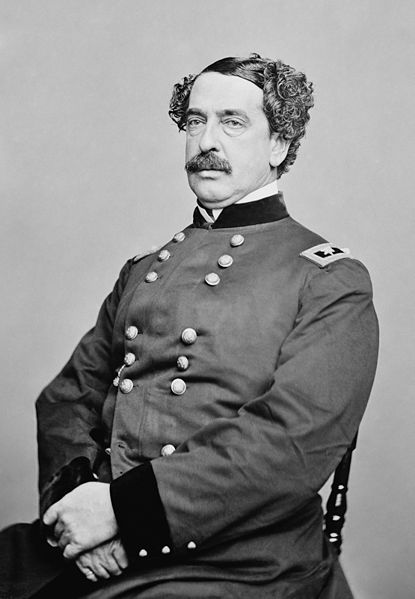
Abner Doubleday
In the beginning, around the early1800’s, several ‘baseball clubs’ formed; the clubs in Cincinnati and New York were among the first. Although with that said, be wary of a spoiler alert to follow: the person credited with inventing American baseball didn’t. Strangely the Baseball Hall of Fame resides in this person’s hometown, Cooperstown, New York, but Abner Doubleday is not the inventor of America’s sport. However, the person who experts and fans alike credit with establishing the basic rules of American baseball in his book is Alexander Cartwright. Of course present day rules reflect slight modifications to the original ones. For example, in the game we enjoy, a fielder does not throw the ball to hit the base runner to get him out (ouch!).
Moving into History
Alexander Cartwright
Available history sources inform that the first baseball league actually had its beginning in 1871 after the National Association of Base Ball Players formed in 1858. And the first National league game was played in 1876 for over 3000 spectators to watch the Philadelphia Athletics lose to the Boston Red (Sox came later). Unfortunately between 1858 and 1871 America experienced tremendous unrest in the form of the Civil War…thought civil it was certainly not. Even baseball suffered effects of this conflict.
Making It Better!
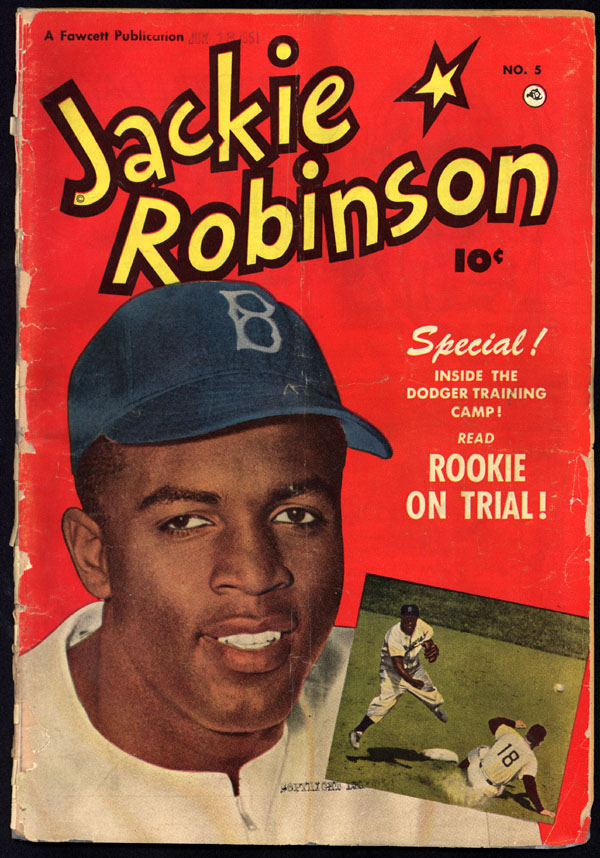
Some clubs had black players as early as 1871, but, sadly, due to growing racism the National Association of Baseball Players voted to eliminate any club with black players. This action led to the formation of a series of black semi-professional and professional leagues. To illustrate the history of black baseball players, their involvement, and subsequent success please refer to this website in which most of the information is accurate and you may recognize names, even from the early days of the late 1800s with many more in the years to follow; one of my personal favorites being Hank Aaron. 1947, a record year setting year, saw Jackie Robinson sign with the Brooklyn Dodgers as the first black player in the heretofore all white national leagues. He was also selected Rookie of the Year that year. Now we have players from all over the world playing as professionals in America, making baseball a game for everyone.
That Game for All Ages
Of course baseball is also a game for all ages: youth leagues (Little League, Babe Ruth League, and American Legion League, to name a few); high school, college, and minor leagues. In fact, scouts may use these last three to encourage players to consider baseball as a profession as they mature. But my all-time favorite are the kids (of all ages, mind you!) at the local neighborhood parks just playing ball ‘cause that’s just what you do come spring!
Started and Still Here
Baseball stands firm occupying a special place in American history as a game reminding us of childhood memories of family, team loyalty, and the excitement of hearing the ‘crack’ of the bat. Some things just naturally go together as American icons, not a person, but hot dogs, mom’s apple pie, and baseball! How can you not yearn for a seat in the outfield bleachers on a cool April afternoon or evening with a bag of peanuts or popcorn and soft drink ready to watch your favorite baseball team and suddenly hear the umpire yell, “Play ball!!”
Jacob Smith is a freelance writer and baseball guru from Boston. He is currently sharing information on the history of sports and famous players via blogging.

 Want to introduce a bit more excitement into your life? We’ve put together a two-speed guide to the most extreme sports out there. It’ll give you the chance to go on an adrenaline-fueled walk, before you take on an adrenaline-fueled run.









 The Sports Archives Blog