The Sports Archives – 2016 Rio Olympics Part 4: Katinka Hosszú

The rigorous involvement of women in the Olympics is officially sourced in the 1900s. The Paris Summer Olympics of 1900 saw the incorporation of women’s events in tennis and golf, and over the next century, more sports began to include variations for professional female athletes. By 2012, all sports (current and future-hopefuls) are mandated to feature events for both men and women. The (albeit gradual) integration of the Olympics over the years has played an important role in showcasing women’s talents and capabilities across athletic fields, elevating key Olympic champions like Katinka Hosszú.

Brief Biographical History
untitled

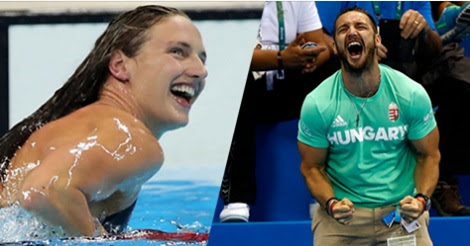
The relationship between Katinka and her husband/coach, Shane Tusup, is one-of-a-kind. Over the past few years, the two have been a constant source of support for each other.

            Born in Pécs, Hungary to Barbara Bakos and István Hosszú, Katinka picked up swimming as a young girl demonstrating, like many of today’s Olympic competitors, a natural affinity for athletic movement and fitness. Her early talents in aquatics received coaching 201620120from László Bakos (her grandfather) until she turned 13. In the years following her graduation from high school, Hosszú attended (and competed on behalf of) the University of Southern California in the U.S. It was here that she met Shane Tusup, her future husband and swim coach, during their freshman years.

In addition to her professional swimming career, Hosszú has also been pursuing her desire to open her own swim club with her husband. The club is set to open in Hungary under the title ‘Iron Aquatics’ this month.           

            Previous Olympic Involvement
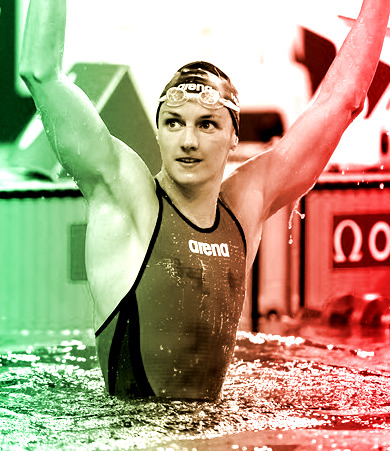
FINA Mastbank Swimming World Cup 2014 Doha

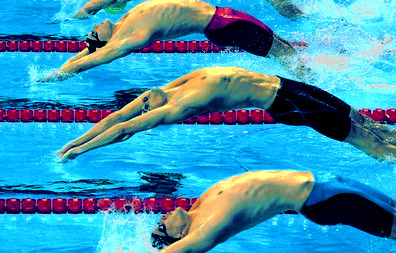
Dynamic, elegant, powerful, limber — all words that can describe Hosszú’s movement through Olympic waters!

            Hosszú made an appearance in the 2012 Summer Olympics in London, attracting attention with a resilient performance and energetic flair. Unfortunately, her performance in the 400-meter individual medley and the 200-meter individual medley landed her in 4th and 8th place, thus preventing her from procuring medals. She also missed the 200-meter butterfly final competition. This, of course, would not dissuade her in the path to glory. With a standard set, the only path left for Hosszú was upwards. Over the next several years, she continued to hone her swimming capabilities in World championship and World cup series, breaking several records and claiming other kinds of medals in the process.

            2016 Summer Olympics Overview

57ab7587bcee6

Hosszú’s performance at Rio this past year is commendable, to say the least. For more information about Iron Aquatics, visit the group’s website at ironaquatics.hu !

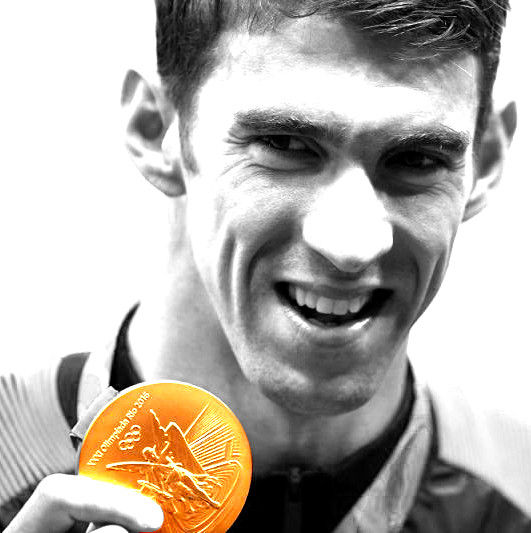
Hosszú’s ultimate opportunity at redemption in the Olympics finally arrived in 2016, and her performance in Rio dramatically improved as the result of her vigorous training, exceptional strength, and helpful collaboration with her husband and resident coach, Tusup. At the conclusion of the Olympics, Hosszú brought home 3 gold medals for the 100-meter backstroke, as well as the 400-meter and 200-meter individual medley. She also claimed a silver medal in the 200-meter backstroke with a time of 2:06:05! With a grand total of 4 medals for her performance in Rio, Hosszú claimed more medals in individual events than any other swimmer in the 2016 Olympics.
Posted in Olympics, Other | Tagged , , , , , , , , , , , | 1 Comment

The Sports Archives – The True Story of the Jamaican Bobsled Team

cool-runnings-jamaica-bobsled-team

A Beautiful Tale by Disney

Now of course we all love Disney movies and quite honestly the movie about the Jamaican bobsled team is a beautiful tale to say the least, but in truth, the movie was what we might call embellished a bit. The events that actually took place were very much different from the movie, and in fact, perhaps wasn’t the compelling story movie goers watched on the silver screen in 1993.

The Players

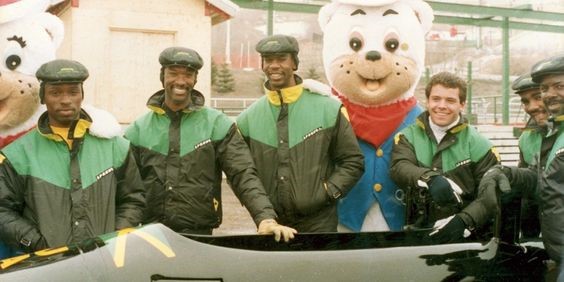
In the movie Cool Runnings, it was portrayed that the team were just some humble, happy-go-lucky chaps that were hanging out and someone asked them to do their country a service and form an Olympic bobsled team.

Nope.

For that matter, they weren’t even track stars as the movie portrayed. They were members of the Jamaican army, who as it were, were under orders.

The movie portrayed John Candy as the lone person who cheered the team on and encouraged them to form a team, when in fact there were two gentlemen, George Finch and William Maloney. The two were fans of another activity, push cart racing. They thought it would carry over well into bobsledding and got the bright idea for the Jamaicans to form a team for the Winter Olympics.

They attempted to enlist track athletes, however, no one wanted to be a part of it. This is when they turned to the Jamaican army, and the recruiting began.

Training

Training was done in Lake Placid, NY, and the newly formed team was coached by one individual from the US and another from Austria. The two coaches taught the soldiers how to bobsled.

As one of the real team members puts it, he saw bobsledding once in 1987, and in 1988, he was competing in the Olympics.

Outcasts?

In the movie, the team was depicted as being outcasts, shunned by the other bobsled teams and, for the most part, being looked at as a downright joke.

This couldn’t be further from the truth.

The team was actually warmly received by the Olympic community. In fact, the team was extremely popular at the Olympics. So popular, the team was afraid to leave Olympic Village out of fear that they would be mobbed by the legions of fans.

Competing

In light of these factual differences, competing was still not easy. The bobsled team was using borrowed equipment, which subsequently did fall apart on the first day of running. The team also suffered from the injury of a team member.

When the team was trapped under the sled, they did not lift it over their heads triumphantly, carrying it to the finish line as seen in the movie. They pushed the bobsled to the end of the track, then lifted it to carry it away.

While the facts and the movie were not the same, most of us come to expect liberties to be taken by the movie studios in order to create a more compelling story. This is especially true when it comes to inspirational stories.

So while it’s true that the movie portraying the story of the Jamaican bobsled team is short on facts, the bottom line is that the team did persevere. They were under a lot of scrutiny, and they did face adversity.

Not only did they accomplish a great feat by going to the winter Olympics to compete in a sport that they don’t normally participate in their native land, but they are continuing to compete in the sport. And that, is a true life inspiration.


Posted in Olympics | Tagged , , , , , , , , | 1 Comment

The Sports Archives – Still Fishing In A Boat? 5 Reasons Why You Need To Start Taking Up Kayak Fishing

It’s no secret that millions of us enjoy fishing in our spare time. Yes, we get the chance to catch some fresh fish on our travels. But, it’s also a brilliant way to escape from the monotony of life. Plus, fishing is a neat way to spend some time outdoors with a group of friends!

Many of us tend to go out on a boat when we wish to do a spot of fishing. You might not think it, but going out in a kayak is miles better! Let me share with you five reasons why that is the case:

kayak fishing on bear creek lake

Image Source

  1. It’s cheaper than going out on a boat

The sad truth about fishing is that going out on a boat is out of many people’s budgets. You have to pay for the hire of the boat (or the cost of buying it) for a start. Next, you must cover other expenses like fuel, insurance, launch fees and so forth. As you can imagine, going out on a kayak means you don’t have to pay for any of those costs!

  1. It’s easier to choose the right kayak than it is a boat

The trouble with the boating world is that opinions and advice are often conflicting. That makes it challenging for anyone to find a suitable boat for their fishing needs. In comparison, choosing a kayak is a far simpler affair.

There is a dedicated community of kayakers out there. Most of them actually agree on the types of kayaks that suit specific needs! So, let’s say you looked at a Perception Tribe 9.5 vs 11.5 comparison, for example. There will be a clear distinction between the two. If they were boats, you’d still feel puzzled by which one is better for you!

  1. You get better casting angles

With a boat, you only have a limited range of angles to cast your lines. An advantage of using a kayak is you can get right to the business end of things! There are almost limitless casting angles available to you when you head out on a kayak.

I recommend fishing from a kayak just once, and you will see how better your catch rate will become!

  1. There is increased accessibility in a kayak

Yes, boats come in a range of shapes and sizes. But, even the most hardiest of models cannot navigate all areas such as marshland. Kayaks, along with helpful accessories for your kayak fishing trip, give you the edge in such situations. Plus, the bonus is you’ll seldom see many boats (if any), giving you access to more fish!

  1. You get to make new friends if you’re a kayaker

Last, but not least, there is the social aspect of kayak fishing. As I mentioned earlier, there is a strong community following with those that kayak. You will be more approachable by your fellow fishermen and even boaters too!

One benefit of socializing in kayak fishing circles is that you get free tips and advice. Such as the best places to take your kayak to for catching a lot of fish!

Posted in Other | Tagged , , , , , , , , , | 1 Comment

The Sports Archives – Builder Catches Huge Blue Shark, Caught Off UK Coast

Deep Sea Fishing

First Time Shark Fisher Lands Huge Catch

Be inspired by the man who caught a monster shark in UK waters, and find some tips to get you started.

In all honesty, I think everyone would be stunned to net a large fish on their first fishing trip, but to fish for sharks for the very first time, and land a huge catch, that’s something else. This is exactly what happened to 49-year-old Danny Fitch as he broke records on his first shark fishing trip.

The catch was landed off the coast of Wales, around 20 miles out, and when he eventually hauled it on to his charter boat, Danny discovered he had broken records. His catch was a 242lb blue shark, which measured a mighty 9ft 2ins long. This catch turned out to be the largest of its species ever caught in Welsh waters, and an impressive 2nd biggest ever caught in the whole of the UK.

Sharks may be appearing closer to beaches because there are huge numbers of Mackerel in UK waters, but while there may be more of them, they make you work for the catch. It took this new shark angler 45 minutes to get the shark into the boat to be measured. Patience is certainly a virtue when it comes to fishing of any kind, but what could you achieve with the right equipment? Whether you buy from online fishing tackle shops or physical stores, starting off with the right tools of the trade, and some handy tips, could have you on your way to finding your own big catch.

Angling Tips

With the right equipment, some know-how, and research into the best locations, anyone can have a chance at landing a big catch, and there’s a lot of choice out there for you to land. One of the most important things to check out are the general rules and regulations that apply to things like where you can fish and when, the equipment you can use and any restrictions, along with rules around fish sizes, and any catch limits that apply. It’s also worth checking out local by-laws, and of course the conditions that apply to the place where you want to fish.

The government has produced an easily accessible guide to freshwater fishing, which is available online, and covers information like:

  • You are able to fish for eels, brown trout, rainbow trout, and coarse fish all year round, on the vast majority of enclosed canals and still waters (reservoirs, lakes, and ponds).
  • Close seasons are when you’re not allowed to fish on certain types of water, for certain types of fish. Keeping stocks healthy and growing is an important part of the process.
  • There are daily limits that you must follow, which affect the number of fish you can take. For example – If you are fishing a river, you can only take 2 30-38cm Grayling and/or 15 small fish, which includes silver bream, perch, and common carp of up to 20cm.
  • Crayfish are not allowed as bait in England and Wales.

There’s also a whole host of communities, forums, and angling magazines which are a go-to for latest industry news, memorable fishing stories, and tips focussing on the behaviour of different species of fish, something which could help you land a big catch! One piece that caught the eye, was a blog on Anglers Mail about Pike fishing. It included tips such as:

  • River Pike don’t waste energy, so they may not be up for the chase if there’s only a small meal on offer. They are renowned for taking large baits.
  • Drop offs in river habitats provide an ideal place for Pike to avoid strong currents, while still being in the main river, laying on the bottom of ledges waiting for their prey.

There’s always something new to learn about fishing, but as a hobby it’s one all ages can enjoy, so why not find some like-minded friends or family and investigate what fishing opportunities are available in your area.

Featured images:
  •  License: Image author owned

Frank Willis is a keen angler who dreams of the big catch. When he is not sitting by one of the Maldon Angling Society river banks he is heading out to sea with fishing pals, hoping to catch something big!

Posted in Other | Tagged , , , , , , , , , , , , , , , , | Leave a comment

The Sports Archives – 2016 Rio Olympics Part 3: Usain Bolt

f3d0a8a4-af74-45a7-a8c0-24a4503daad5

His long stride is renowned in any event, and while scientifically, his height should give him no advantage in the manner of speed or aerodynamics, he always seems to claim effortless victory!

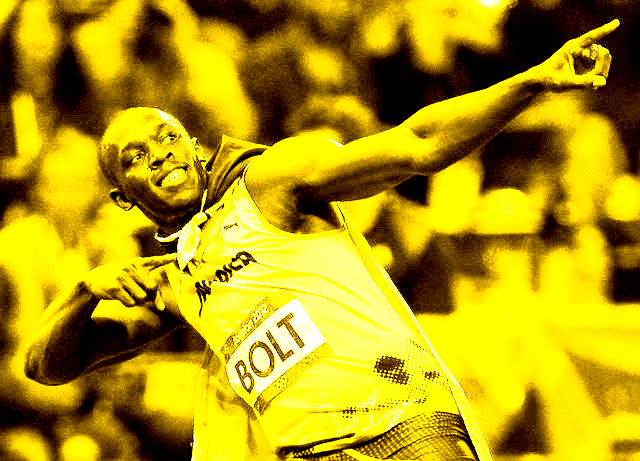
The title “fastest man alive” is commonly issued as a substitutive nickname for The Flash, DC comics’ renowned superhero character. However, the title is also utilized as an alternative description of Usain Bolt, accredited Olympic athlete and professional sprinter! Bolt has been competing athletically for many years and has earned a reputation for his exceptional footspeed and stamina. In 2016, he competed internationally in the Summer Olympics alongside thousands of other athletes, and, by the competition’s conclusion, he had accumulated not only multiple medals accentuating his performance, but also heightened awareness and popularity among Olympic fans and spectators!

Brief Biographical History

Usain Bolt was born in Jamaica on August 21st, 1986, to Wellesley and Jennifer Bolt. His passion for athletics was fostered at a young age in the streets of his hometown where he, along with his brother and sister, grew up immersed in a variety of sporting activities. Bolt’s true talent for speed was recognized in the early years of his life. By the time he had reached his teenage years, Usain Bolt was attracting attention in various regional competitions and championships. In high school, he was encouraged to seriously pursue track and field as his athletic specialty to help him hone his agility and endurance.

He achieved a wholesome height of 6 feet and 5 inches at the age of 15, allowing him to separate himself distinctively from his other competitors. Bolt’s opportunity to prove himself to the entire world came in the form of the 2002 World Junior Championships. At this competition, he won the 200 meter dash, making him the youngest world-junior gold medalist in history. His time for this event was 20.61 seconds, which sets his average speed at ~9.7 meters per second, or 21.7 miles per hour. Talk about fast!

bolt

With as perfect a nickname as “Lightning-Bolt”, Usain Bolt was undoubtedly born to be fast!

Previous Olympic Involvement

In 2004, Usain Bolt officially launched his professional athletic career. Among his beginning conquests in this year were the CARIFTA Games and the 2004 Athens Olympic Games. Unfortunately, Bolt would not make a strong statistical impression in this, his first Olympics, due to a leg injury. While he still performed briefly in Athens, he was eliminated early and unable to cover any ground in the competition. 2005 brought a fresh perspective to Bolt’s athletics, but repetitive leg injuries continued to hamper his abilities in multiple competitions.

The 2008 Olympics could alternatively be referenced as “the year Bolt struck back.” With several world records under his belt and a history of consistently remarkable performance, was more than prepared to take Beijing by storm. He even had the support of Michael Johnson (200 and 400 meter record holder). Bolt qualified for the 100 meter with times of 9.92 and 9.85 seconds, and went on to win the 100 meter final with an even greater time of 9.69 seconds. Bolt’s performance here earned him another broken world record, though by now, no one should have been surprised at this athlete’s incredible talent and skill.

Following an astounding performance at Beijing in 2008, complete with 3 gold medals, Bolt continued to compete in multiple world championships and Olympic Games over the next several years. London’s 2012 Olympics saw this exceptional sprinter 3 more gold medals, as well as broken personal and professional records in multiple categories. The fastest time on a 100 meter dash is still held by Bolt today, clocking in at about 9.58 seconds. Indeed, very few people would discount Bolt as the fastest human runner on the planet.

1442175892649

A “triple-triple” athletic master, Bolt has earned every single gold medal of the 9 that he now possesses.

2016 Summer Olympics Overview

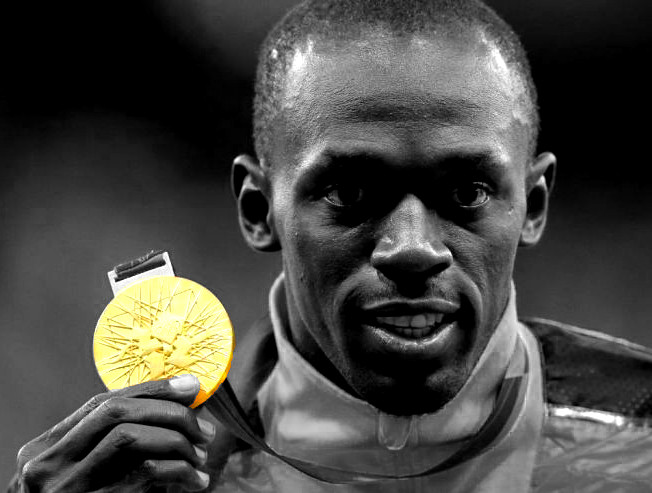
Rio’s 2016 Summer Olympics were particularly critical in Bolt’s athletic career. As expected, his performance was admirable and inspirational, and he claimed the last 3 gold medals of his professional Olympic career for the Men’s 100 meter, 200 meter, and 4×100 meter relay. With 9 gold medals across 3 separate Olympic Games and a 100% 1st place finish record, Usain’s 12-year reign of Olympic track and field is truly something to behold.

Posted in Olympics, Other, Racing | Tagged , , , , , , , , , , , , , , , | 2 Comments

The Sports Archives – 2016 Rio Olympics Part 2: Michael Phelps

0fad1291860ec25df3db75dff3d65985

With a gold medal to mirror almost every day Phelps has been swimming at a professional, competitive level, perhaps even “extraordinary” is too bland of a word to describe his success.

He’s one of the most renowned Olympic athletes in North America as of 2016, and if you’ve paid any attention to the United States’ performance at Rio this past year, you probably know quite a bit about him already! Michael Phelps is a professional sports competitor that specializes in aquatic aerobics and exceptional swimming. He’s been an active member of the Olympic community for over 15 years, and has been swimming athletically for a significant portion of his life. The 2016 Summer Olympics in Rio mark the 5th instance of Phelps’ involvement in the Olympic Games. He’s is known and respected internationally for his dedication and talent, not to mention his loud personality!

Brief Biographical History

Born in 1985, Phelps grew up and attended school in Maryland. The youngest of 3 siblings, his swimming career started when he was still in grade school. With a seemingly-bottomless pool of athletic energy and determination to draw from, as well as some influence from his older sisters, Whitney and Hilary, Phelps quickly proved himself as a capable swimmer and his career (albeit, unofficially) began.

In middle school, Phelps was clinically diagnosed with Attention Deficit Hyperactivity Disorder, which would help to articulate his dominance in aquatic sports. His adolescent swimming years alone promise excellence, boasting several long and short course records. Phelps consistently outperformed the competition at various phases in his age development.

&NCS_modified=20150810233020&MaxW=640&imageVersion=default&AR-150819878

Phelps’ athletic prowess in competitive swimming is, in a word, remarkable, given his record and commitment to the sport.

           Previous Olympic Involvement

Phelps’ natural talent and cultivated skill both contributed to his qualification in the 2000 Summer Olympics. Though he won no medals for his participation in this competition, he still proved himself a capable athlete nonetheless, and at the staggering age of 15! This phenomenon made Phelps the youngest athlete on the U.S. Olympic Swim Team in over half a century. Indeed, the 2000 Olympics set a precedent for Phelps, whose athletic career was only just beginning.

For the next few years, Phelps trained and performed with utmost effort and endurance in various swimming national and international championships. In 2001, he became the youngest Olympic swimmer to break a world record (the 200-meter butterfly) to date. Phelps continued to break barriers in 2002 and 2003 at the Pan Pacific championships and the World championships, respectively. His conquests at these competitions would more than prepare him for the next Olympics in the summer of 2004.

In his career leading up through 2016, Phelps has since accumulated a grand total of 28 Olympic medals (23 of which are gold), and is (presently) the most decorated Olympic athlete in history. Not only that, but his performance has never wavered, even after his retirement in 2012 and subsequent resurgence in 2014. At 31 years old, Phelps still continues to swim at not just a mightily respectable, but also a professional level.

            2016 Summer Olympics Overview

bb486064-6244-4978-bc59-49c73d6ee7a0

Since the conclusion (and revival) of his Olympic career, Phelps has become much more than just another great athletic swimmer to the people of the U.S., as well as the world.


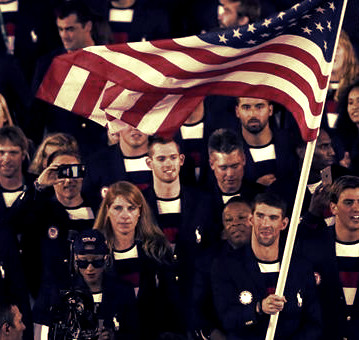
As a decorated, veteran Olympian and capable athlete, Phelps’ responsibilities and conduct at the 2016 Summer Olympics were anything but simple. His performance at qualification marked him as the 2nd U.S. athlete to qualify for 5 Olympics, and not only was he featured in several events (5 of which he received a gold medal for) he also attended the 2016 opening ceremonies with the responsibility of flag-bearer for the United States. By the conclusion of the competition, Phelps had added 6 medals to his collection and retained his lead as most successful Olympian in history. Despite his age, he has demonstrated exceptional skill and resilience in competitive swimming. Though he may choose to permanently conclude his athletic career in the near-future, he seems more than prepared, physically and emotionally, to continue it for some time.

140930-michael-phelps-1358_ce1d95c110ffc5f9b96a1d1a8b536481.nbcnews-fp-1240-520

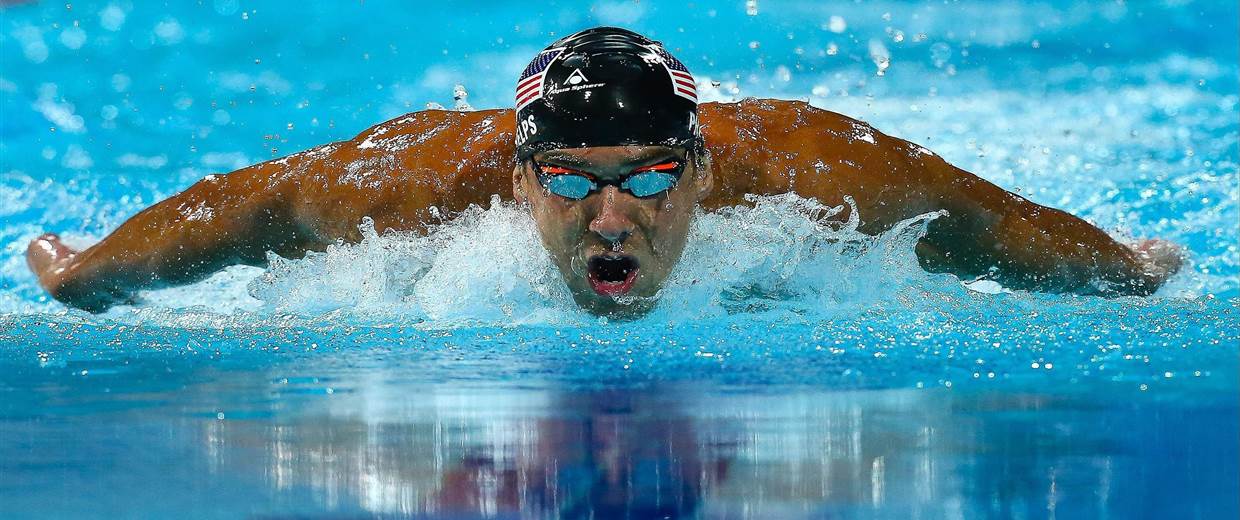
Speed, power, and precision in the water…the world at large looks forward to many more exciting, inspiring years of Michael Phelps.

Posted in Olympics, Other | Tagged , , , , , , , , , , , , , , , | 2 Comments

The Sports Archives – 2016 Rio Olympics Part 1: Overview/Rankings

Olympia_2016_-_Rio.svg_-1200x1216

The official logo of the 2016 Summer Olympics. It features a modern take on the traditional Olympic insignia, with some contemporary motifs accenting comradery.

The official conclusion to the 2016 Summer Olympics (or, as it is more widely and popularly known, Rio 2016) has recently arrived, and participating nations are headed home with proud competitors, many of whom are celebrating proud victory at this vaunted competition. As previously implied, this year’s Summer Olympics took place in Rio de Janeiro (literally, “City of January” in Portuguese), one of the most populated cities in South America and located along the coast of Brazil. The contest was quite beholden around the world, but just in case you may have missed it (or are viewing this from the future), here lies coverage of some key happenings and interesting tidbits that took place amid this athletic competition of nations.

Featured Events


The 2016 Summer Olympics featured a staggering 306 events across 28 unique sports, including cycling, archery, boxing, shooting, various different aquatic activities, judo, gymnastics, handball, volleyball, and weightlifting (and that is barely scratching the surface)! In addition to these sports historically included in the Olympic Games, 2 newcomer sports also applied and were approved for inclusion in this year’s competition: golf and rugby sevens.

            Featured Competitors

rtslvdz

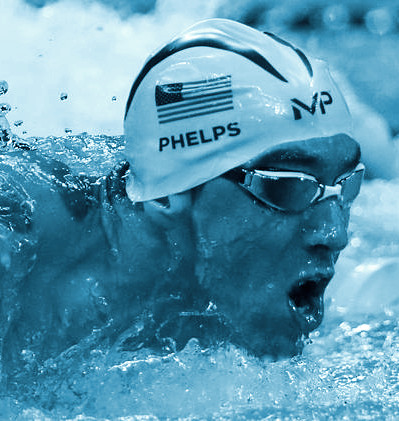
Phelps is a renowned Olympic swimmer, particularly among his home country of the U.S.

Thousands of athletes ultimately participated in Olympic events in Rio, but not all of them brought home as many medals as the top competitors of this season! Among the notable athletes based on performance and accumulated awards are

  • Michael Phelpsfrom the U.S. for Swimming
  • Usain Bolt from Jamaica for Track and Field
  • Katinka Hosszú from Hungary for Swimming

Full segments on these athletes will follow the release of this overview in the coming week.

Other athletes taking home some medals include Simone Biles (noteworthy U.S. competitor with 4 golds and 1 bronze for Gymnastics), Jason Kenny (of the U.K. with 3 golds for Track Cycling) and gold-winner Gabriel Barbosa (Brazil’s very own soccer athlete).

golf-354-64912

Golf has made its way into the Summer Olympic rotation this year!

            Top 10 National Rankings as of August 21, 2016

Over 200 member nations of the International Olympic Committee competed in this summer’s Olympic Games. Approximately 87 National Olympic Committee teams acquired medals following all events, the majority of which brought home at least one gold medal. The Top 10 competing nations in this season are ranked as follows:

  1. United States, with 46 Gold, 37 Silver, and 38 Bronze
  2. Great Britain, with 27 Gold, 23 Silver, and 17 Bronze
  3. China, with 26 Gold, 18 Silver, and 26 Bronze
  4. Russia, with 19 Gold, 18 Silver, and 19 Bronze
  5. Germany, with 17 Gold, 10 Silver, and 15 Bronze
  6. Japan, with 12 Gold, 8 Silver, and 21 Bronze
  7. France, with 10 Gold, 8 Silver, and 14 Bronze
  8. South Korea, with 9 Gold, 3 Silver, and 9 Bronze
  9. Italy, with 8 Gold, 12 Silver, and 8 Bronze
  10. Australia, with 8 Gold, 11 Silver, and 10 Bronze
olympic-flags

International cooperation and cultural exchange is of great importance in the modern world. It is agreeable that sports and athletic tradition have helped motivate greater global unity.

*It is worth noting that, although some nations accumulated more overall medals, placement of others ensured higher overall rank.

The nation that accumulated the most medals this year was the United States, with 121 total medals.

Posted in Olympics, Other | Tagged , , , , , , , , , , , , , , , , , | 2 Comments

The Sports Archives – Clothing/Attire: Does it make a Difference?

Featured_Fitness-Clothing

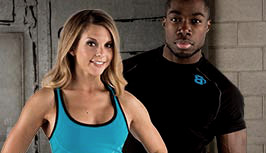
Modern workout clothing is noticeable, yet obscure. Distinct, yet undefined. In the athletic environment, it blends in almost as normally as everyday clothing does out on the street.

We all know “workout attire” when we see it! There does not seem to be any specific system to it; that is, no system aside from whatever makes movement and exertion more manageable during a respective athletic activity. But how much of a difference can clothing make while one is playing a sport or exercising? What are some of the most common examples of sporting attire, and what reasoning exists behind the way the clothing is designed?

A Brief, Generalized History of Workout Attire

Today, aspiring athletes do not need to fret over restrictions in workout garb. As long as someone is able to move their body as freely as needed while working out, what more do they need to concern themselves with in regards to clothing? However, it is important to note that commonplace exercise attire has undergone massive changes in the past century alone!

41d329bcbe5e7a0d432189a9a3c1f476

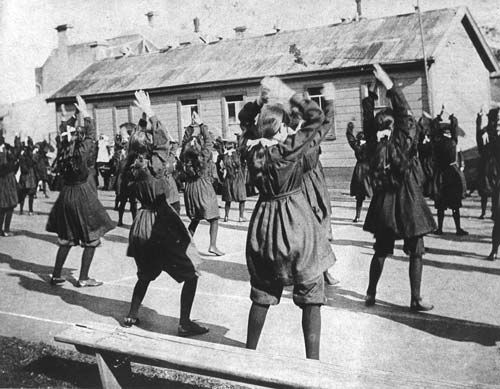
Historically, workout clothing was quite different from what it is today. Most outfits were still loose and permitted necessary motion, but not aesthetically uniform or conservative in design.


Given enough attention, the evolution of athletic wear exhibits some distinct patterns (as well as other obscurer features). For the first couple of decades in the 1900s, clothing is loose, but flowing and canvassing. The designs demonstrate that there was an awareness of the importance of free movement in sports and athletic activities. However, designs leading into mid-20th Century also conform and model according to societal and cultural expectations. On the other hand, fitness attire developed near the turn of the century (along with that of the 2000s) places emphasis on new clothing technology and utility. From a philosophical perspective, the transition from loose, flowing clothing in the 1900s to intricate and functionally-conservative designs of the 21st Century demonstrates a sacrifice of “what is proper and acceptable” for the benefits of logical efficiency. The cultural revolution in self-image and free expression, which erupted in the concluding decades of the 20th Century, can also be pointed to as a period of transition for workout attire. The athletic garb of this time featured fashion and appearance quite heavily, and these traits seemed to have carried over (albeit, in a slightly less-exaggerated manner) into modern athletic wear, as well.

b3f9ec946fa73fd6287fe2f23bbacccf

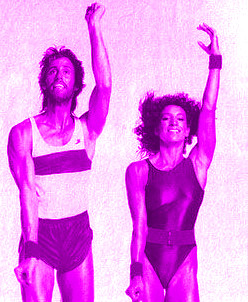
In contrast to the drab, extensive garments of the early 20th Century, the late 1900s ushered in an era focused on fashion, style and creativity. Athletic wear was not exempt from this revolution and brought entirely new elements of flair to fitness.

            Athletic Garb: What Constitutes “Right” and “Wrong”

The best thing about dressing for sports and other fitness activities today is the freedom of it! Aside from minor restrictions and regulations that may be imposed in certain environments, the athlete can pretty much decide what personally works. In terms of what clothing may be “right” or “wrong” for a specific sport or exercising routine, one must think critically about the physical demands or requirements of each individual activity. Sure, there is not necessarily a “wrong choice” when it comes to recreational/personal fitness, but it would be unwise if, for example, someone wore heavy pants and a jacket for swimming practice!

Choosing the right clothing for an athletic activity can be helped by asking questions like, “What are the movement requirements of what I am about to do?” and “Would I be okay sweating in what I am wearing?” For some fitness enthusiasts, fashion, in addition to function, is a primary concern. However, it is important that the demands of any physical activity or sport come at a higher priority than appearance!

            Sporting Standards: Regulation vs. Common Sense

team-sports2COLOR

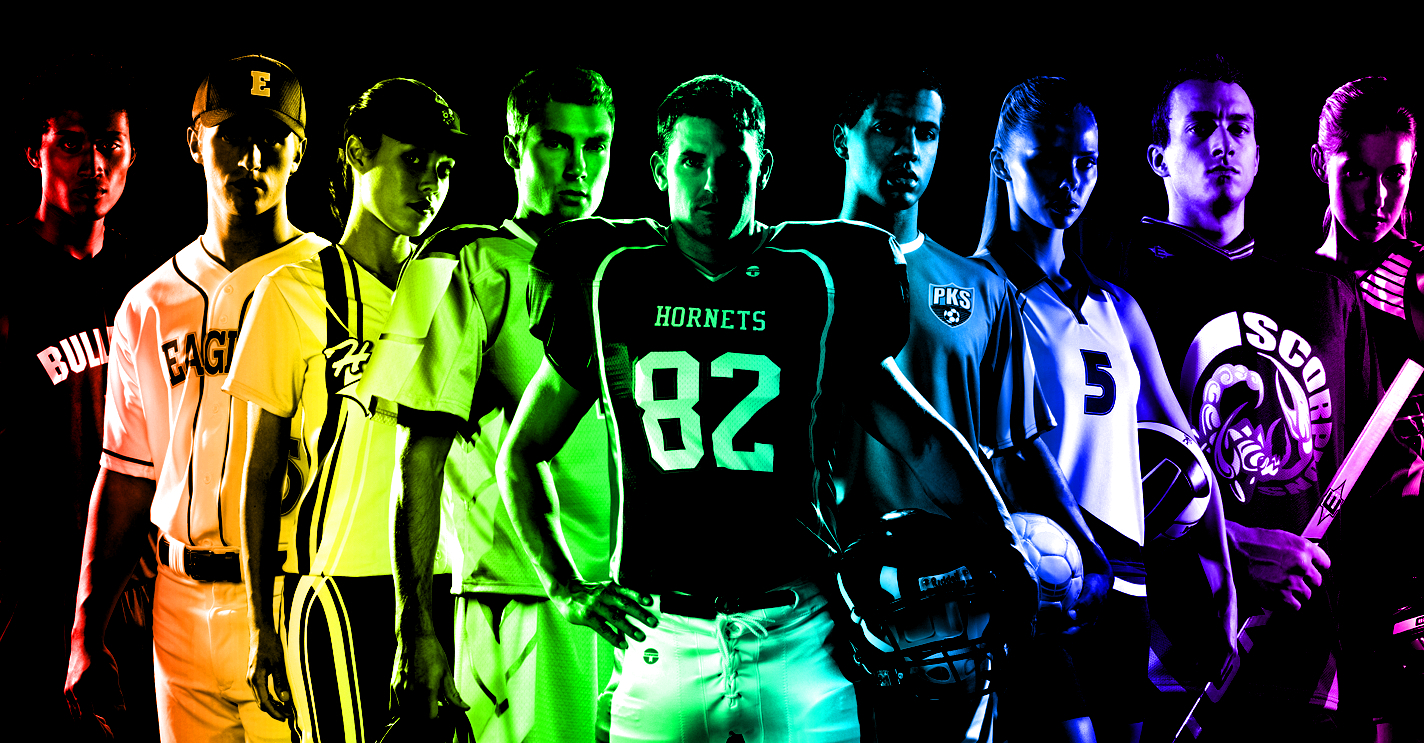
Pro-sports attire is monumentally diverse in function and appearance, but make no mistake; only the most knowledgeable scientists and designers are in charge of who wears what, tactfully determining function and fashion for pro-athletes everywhere.

So, in recreational or personal fitness environments, restrictions on clothing do not seem to be too harsh, but what about in the professional realm? Obviously, workout garb for most pro-sports seems to feature the player’s respective team and/or sponsors. Personal differences will vary depending on the sport and what is allowed, but what is more certain is the uniformity (no pun intended) of each sport’s attire. Think about it: while Major League Baseball uniforms come in different color, size and topical design, function and form are consistent; every player wears pants, long socks, sneakers, a button-up shirt and hat depicting the team logo. Likewise, in the NBA, basketball players all wear tank tops and loose-fitting shorts, and NASCAR drivers are all encased in the same heavily-padded racing suit that keeps them safe as they are rocketing across the track. Suffice it to say, in pro-sports, athletic garb is taken seriously.

130f157db27d29f4a6db8aa7cb515f02

Just like in sports, when it comes to workout clothing, it’s all about what works for you!

As mentioned before, recreational sporting and fitness do not usually feature the same degree of regulation on workout attire as the professional world. However, this is not simply a ‘free pass’ to do whatever one’s heart desires. Common sense operates as the metaphorical ‘guidelines’ of athletic clothing in these environments. Therefore, the next time you go out for a jog, though you might be tempted by the compulsive, attention-grabbing opportunity of taking the streets in an Armani suit, remember that jogging shorts exist for your benefit and make the smart choice!

Posted in Fitness/Wellness, Other | Tagged , , , , , , , , , , , , , | Leave a comment

The Sports Archives – Hickstead – The All England Jumping Course 2016

hickstead_derby_meeting_-_editorial_use_only

The Hottest Venue in Equestrian Sport

So much is happening at Hickstead – from riders of the future making a name for themselves to one of the best show jumping events in the UK.

Hickstead is one of the UK’s premier sporting destinations, and has a fantastic reputation all over the world too. This year spectators can expect to be wowed by a number of fantastic equestrian events, including the All England Jumping Championships – an event Hickstead introduced five years ago to international acclaim. If you’re planning to pay a visit to Hickstead in 2016, here’s your definitive guide to what’s going on in this very special part of the Sussex countryside.

The Events

Hickstead is home to four major equestrian events. The Equestrian.com Hickstead Derby Meeting is one of the most famous show jumping classes in the world – the course is extremely challenging and showcases riders who are at the very top of their game.

The Longines Royal International Horse Show is unique in the fact that elite riders and horses from a number of different disciplines compete. So you can watch everything from show jumping to cross country riding.

The Hurstpierpoint College National Schools and Pony Club Championships take place in August, and provide a great opportunity for spectators to familiarise themselves with the stars of the future.

Last but not least are the aforementioned All England Jumping Championships. The event caters to all levels of riders, and allows them to gain valuable experience at one of the most well-known venues in equestrian sports. Paired with plenty of entertainment, these championships are the only place to be in September.

The Society Fixtures

Events at Hickstead are big dates on the Sussex society calendar as well. In June, Ladies Day at the Longines Royal International Horse Show sees some seriously stylish woman descend on Hickstead. There’s even a prize for best dressed lady – so the stakes are high! The Showtime Ball and the Hickstead Riders’ Ball attract plenty of interest too. Everyone wants to get their hands on a ticket so that they can party the night away Hickstead style. Expect champagne, fine dining and lots of horseplay until the early hours!

The Sponsor

Of course, the support of local businesses is key to events at Hickstead being a success. One of the sponsors this year is Templant Rental Power, a family run business based in Essex. They’ve got an impressive pedigree, having supplied the power to some prestigious UK events – including at Hickstead’s sister venue, Dressage at Hickstead. Working closely with the organisers of these big occasions, they’ll make sure that things run without a hitch.

When it comes to sponsoring Hickstead though, it’s all about a passion for equestrian sports. The Allen family, founders of Templant, have had a keen interest in show jumping for many years – and are all too happy to sponsor a sport they love to watch and be involved in. It’s the involvement of passionate sponsors and dedicated volunteers that makes Hickstead such a special place.

It’s The Place To Be In 2016

Visitors can expect to see some world-class events take place at Hickstead this summer. Some of the best riders in equestrian sport compete at this Sussex venue, and spectators will be able to see their horse-riding heroes in the flesh. It doesn’t matter if you’re an equine expert or a relative novice, Hickstead invites everyone to join in the fun this year!

Featured images:
  •  License: Image author owned

Chris Allen is the Operations Director at Templant Rental Power, which provides generators to provide power to events all across the UK.

Posted in Horse Racing | Tagged , , , , , , , , , , , , | Leave a comment

The Sports Archives – Netball: Part Net, Part Ball

How often do you get a sport which is “exactly what it says on the tin”? The truth is pretty often, given such examples as football, baseball, etc.…as well as netball! Netball is a competitive activity with roots dating back several centuries. The sport bears a striking resemblance to basketball in many ways, featuring an indoor court, netted hoops, and a game clock. The traction this sport has gained amongst athletic enthusiasts as a fast-paced, exciting alternative to other mainstream sports has contributed to its renown in the modern world. Today, the height of netball’s popularity is among Commonwealth countries, including Australia, Britain, Canada, and New Zealand. However, this is not to say that netball is not enjoyed globally, both competitively and recreationally.

A History: More than just a Basketball Clone?

1280px-Netball_NZ_1920s

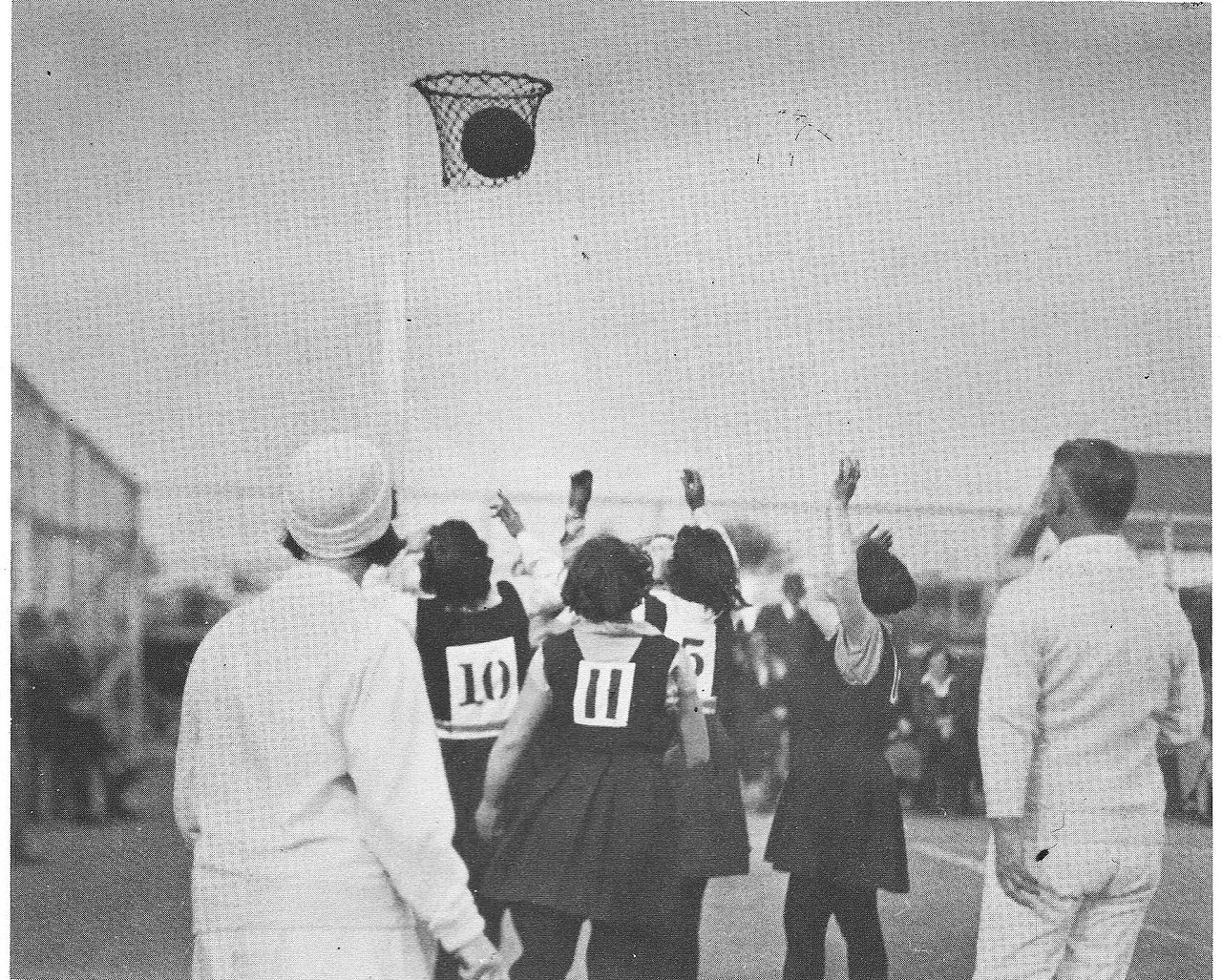
Netball is another sport that helped break boundaries between women and athleticism.

Given that netball and basketball share a common ancestry in development as a sport, the similarities between the two independent activities are not unexpected. As previously mentioned, both sports utilize an indoor court as a choice playing environment, involve scoring via netted hoops, and play out on a time crunch. The similarities of the two sports can be traced back to the late 19th Century, when basketball was in the early phases of its development. Variations on this classic American sport began to manifest themselves, and women’s basketball began to rise as a standalone entity during the same time period. Over the next few decades, women’s basketball itself also began to differentiate in rules and playstyle.

In 1893, a variation of the sport engineered by Martina Bergman-Österberg was brought to a Physical Training College in London, but it differed greatly from the women’s basketball that, until that point, had become well-known in certain parts of the world; this version featured a playing field outside and on grass, and the baskets took on a new design that bore a closer resemblance to modern netball nets! The differences between this new form of women’s basketball and the more common variation of the sport ran so deep, Österberg ended up creating the first rendition of netball, which received recognition as its own unique sport!

            Format and Differences from Basketball

maxresdefault

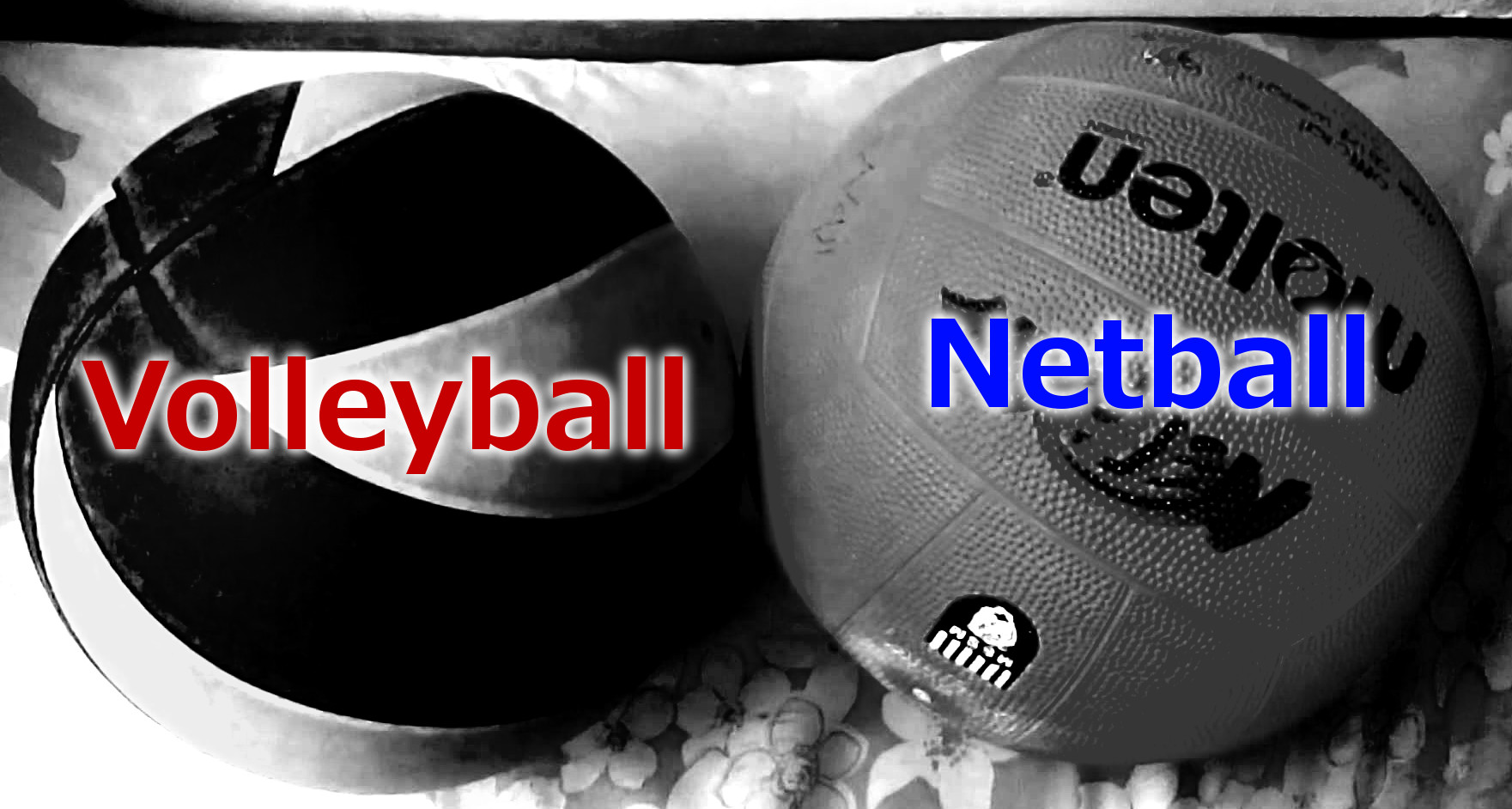
Many gameplay and environmental comparisons exist between netball and basketball, but the ball used for play shares significant similarities with that of volleyball! Only surface material (and possibly weight distribution) tells these two items apart!

The similarities between netball and basketball are quite evident, but the differences that define each sport as unique are perhaps even more apparent! One of the most critical differences between basketball and netball involves movement and possession of the ball. While a player holds the ball, they are not permitted to move more than 1.5 steps (the landing foot cannot touch the ground twice), and must instead depend on an open teammate to receive a throw. In basketball, a player is permitted to move, provided that he dribbles the ball as he does so; in summary, movement of a player who simply cradles the ball is never permitted across either sport, but netball features further restrictions on top of that. The lack of dribbling as a technique in netball also explains how it was originally “founded” in an outdoor environment during the late 1800s.

Other differences between netball and basketball manifest via court markings, team size/composition, and articulation of playing techniques (passing is much more central to play than basketball, to the point of being completely necessary). Contact is expected as a component of blocking, just as in basketball, but rules are no less strict regarding what is fair play,


netball

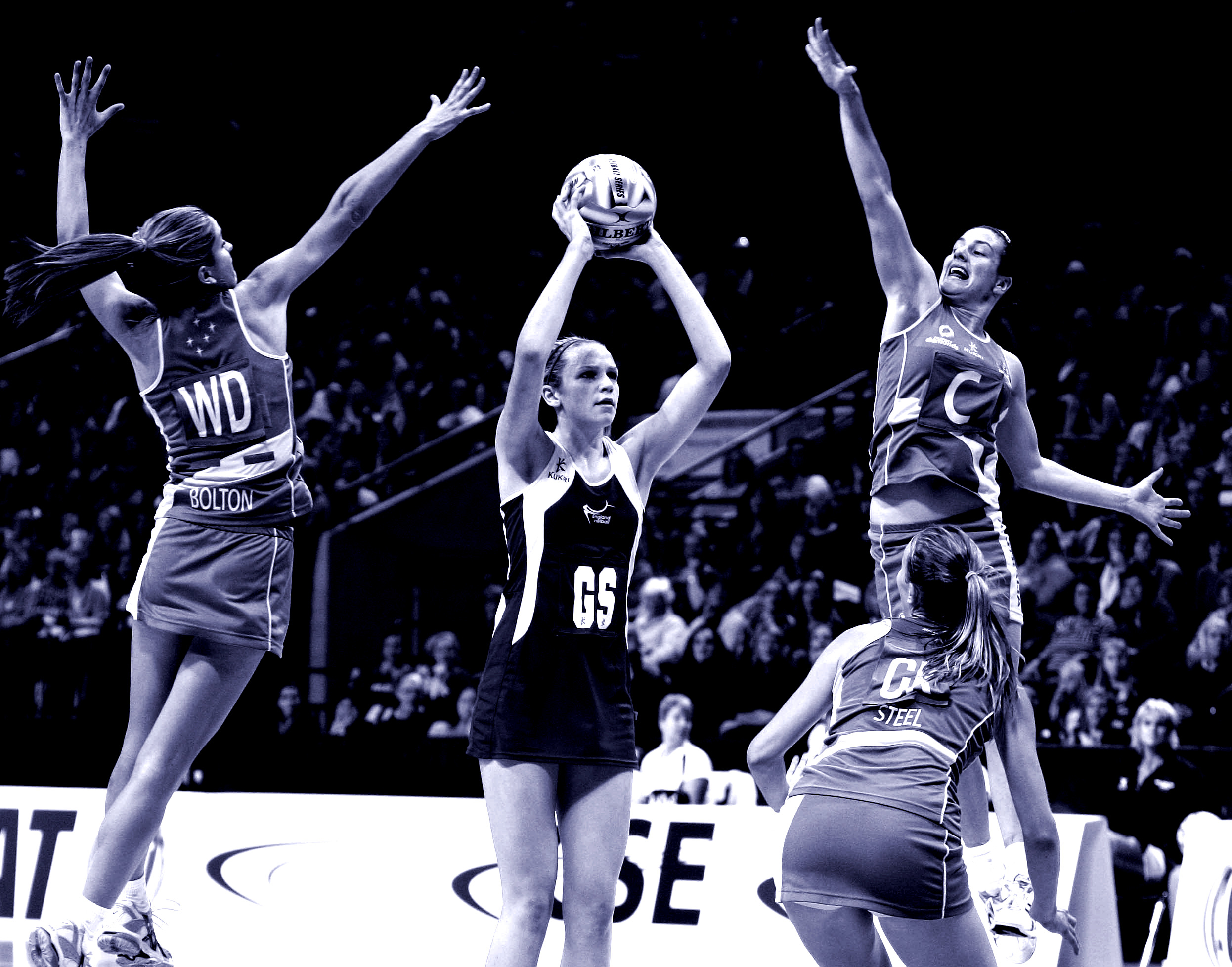
Fast and competitive, frantic and fun…netball is everything both spectators and players look for in a great sport!

The relationship between netball and basketball is most intriguing because it yields perspective on what constitutes their plausibly sparse differences. Netball seems to elevate patience, technique, and tact, where basketball is a greater test of what players can achieve while pressured by time, frenzied movement, and the opposing team’s defense. Ultimately, these two sports do manifest differences that make them each unique.

Posted in Basketball, Other | Tagged , , , , , , , , , , , , , , , , , , | Leave a comment