The Sports Archives – Can Roy Hodgson win the Euros with England?

Roy HodgsonNew England manager Roy Hodgson has announced his 23 man England squad on Wednesday 16th May. The squad will represent the first major test of Hodgson’s new position, and follows already significant media scrutiny since the West Bromwich Albion manager took over the role last month. Aside from The Sun’s front page attacks on Hodgson’s diction, there has been little enthusiasm for an experienced manager who seems to have accepted something of a poisoned chalice from his predecessor Fabio Capello as he goes into Euro 2012.

While Hodgson has a long-term contract that will make qualification for the 2014 World Cup in Brazil a priority, the pressure remains on Hodgson to pull together a side for next month’s tournament in the Ukraine and Poland. Some of Hodgson’s key problems for taking on the tournament include a lack of time, an unsettled squad, and competition.

Time

England National Football TeamHodgson now has less than a month to meet up with his squad for a training camp in Spain, before playing warm-up games against Norway and Belgium on May 26th and June 2nd, before a first game against France on Jun 11th. In that time, Hodgson will have to work out his best first eleven, and try to make an impact on a group of players that went through qualification under Capello. Hodgson’s success at Fulham and West Brom with zonal marking and solid, workmanlike teams tends to take at least six months of hard work on the training field, and it is unlikely that his first tournament will give him the opportunity to mould England into his preferred style.

Squad Issues

Hodgson also faces the challenge of whether to rely on experience, if not energy, or blood a number of in form and younger Premiership players. Reliance on John Terry and Rio Ferdinand may create a lack of pace at the back for England, regardless of the players’ personal problems. Hodgson also has to wait to see whether he can rely on a fit Scott Parker to add stability to a midfield where Gerrard and Lampard might not be able to provide the power England will need across a tournament. Moreover, with Wayne Rooney suspended for the first few games, Hodgson will be more likely to turn to the aerial threat of Peter Crouch or Andy Carroll against France, Sweden and the Ukraine. A risk could be taken on in form strikers like Grant Holt, as well as young players like Alex Oxlade-Chamberlain, particularly with Chris Smalling and Jack Wilshere already ruled out.
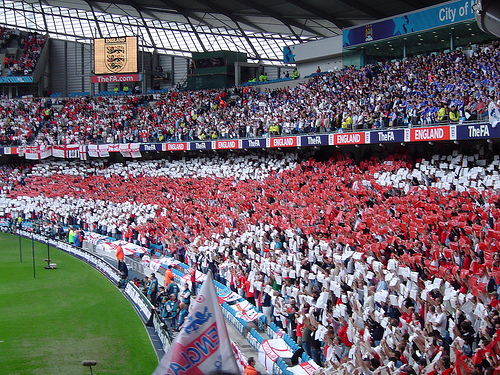
England Fans at Manchester City Stadium

Opposition

England’s chances of winning Euro 2012 look slim in this context compared to a rejuvenated France, who under Laurent Blanc have managed to overcome the infighting that saw them exist the 2010 World Cup. The recent defeat by France at Wembley will also be present in Hodgson’s minds. Sweden and co host Ukraine should, in theory, be beatable, but England shouldn’t expect any easy games. If England do get through the group stage, they will then have to weigh up whether they can overcome sides like Spain, Germany and Holland, all of which go into the tournament with much stronger momentum and squads.

Chances

It would be unfair to write off England’s chances though. Hodgson has significant international experience, having managed Switzerland the 1994 and 1996 World Cups and European Championships. He know how to make a side robust in big games, although his lack of top flight success in the Champions League will count against him. At best, fans can hope that Hodgson can provide a calming influence on the squad, and can repeat his strengths at getting the most out of players when the odds are stacked against them. This week’s squad announcement and the lineups for the Norway and Belgium will give a clearer indication over whether Hodgson will opt for caution, or experiment with England’s style.

Citations:

Habs works with live sport on tv, the definitive sports TV guide. Get the latest TV listings for over 35 different sports.
Posted in Soccer | Tagged , , , , , , , , , , , , , , , , , , , , , , , , , , , , , , , , , , , , , , , | 1 Comment

The Sports Archives – Cagliari Calcio Is Sardinian for football – A Guide To The Italian Serie A Football

The Italian Serie A side of Cagliari Calcio are unique in how they manage to stay in the top flight of Italian football with only a small base of fans to draw from, along with limited funds to compete with the likes of AC Milan, Juventus, Napoli and Roma.

In fact every season is a roller-coaster ride for the Rossoblu fans not knowing if it will be another fight to avoid relegation or the possibility of playing in European cup competitions. This season (2011/12) it looks like the Sardinians will not have to worry about either two scenarios occurring as they languish mid-table in 13th place.

The team was formed in the in the city of Cagliari the largest city on the island of Sardinia with a population of 150,000. Cagliari Calcio plays their home games in the Stadio Sant’Elia via Vespucci 09126 Cagliari which is located in the southeast of the city right on the Mediterranean. Built in 1920 the stadium has a capacity of 23,486 seats, which seems massive if compared to Serie A rivals A.C. Siena who have a capacity for just over 15,000.

Cagliari also had a brief spell flirting with a newly formed league in the United States called The United States Soccer Association, where along with other teams imported from Europe such as Sunderland, and Dundee United, Cagliari played for one season as the Chicago Mustangs before the league was disbanded.

CagliariAction from a Serie A match between Cagliari and Chievo, 2010/2011 season.

The Golden Year for Cagliari was 1970 when the team won the Italian Championship that season, with the team only losing two games, and conceding just eleven goals. (The fewest in any major European football league to this day).

Cagliari were Inspired when Angelo Domenghini joined the side. He played along with striker Luigi Riva, who would later play for Italy in the 1970 World Cup final with the Italians losing 4 – 1 to Pelé and his Brazilian teammates.

Of all the Cagliari players it is Luigi Riva or “Gigi” as he was most often called making his debut for Cagliari in 1963 in Serie B while improving with each passing season Gigi’s left foot was becoming a weapon that frightened the big boys of Italian football. The planets all seemed to be in line for Riva starting to become not only one of the best strikers in Italy but also in the world with the signing of fellow International Angelo Domenghini, Cagliari dominated Serie A and romped away with the title.

Riva was a man of conviction turning down all offers from other clubs to stay in Sardinia and play for the I isolani (islanders). Finally after two broken legs and numerous other injuries Riva was forced to retire in 1978 taking a back office job with Cagliari, and helping the Italian national team to World Cup victory in 2006. Cagliari retired Riva’s number eleven jersey in 2005 in honor to him and his services for the club and is the only club jersey to be retired to date.

So for an unusual football weekend away why not fly to Cagliari and watch a match. Book a Sardinian apartment and relax along the five-mile-long Poetto Beach? Enjoy some fresh Italian seafood while sipping on a glass of chilled Vermentino di Gallura white wine.

Low cost flights are available from the U.K. on Easyjet from Stansted for £110 round trip. Tickets for matches are available online from 60€. Hotel and Apartment rental costs vary but good bargains can be found, especially when accommodation is booked well in advance.

This article was authored by Nathan Griffiths on behalf of Car rentals Europe specialist e-rentals, use their comparison service the next time you need to hire a car.

Posted in Soccer | Tagged , , , , , , , , , , , , , , , , , , , , , | Leave a comment

The Sports Archives – Tiger Woods Timeline Part 2: 2002 – 2012

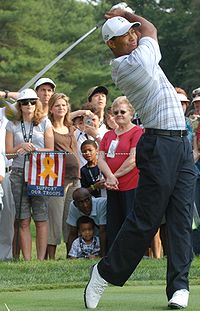
Tiger WoodsPart 2 of the Timeline of Eldrick ‘Tiger’ Woods is continued here in this article.

The Tiger Woods Timeline is presented in two parts. This is Part 2 of the timeline for years 2002 to 2012.  Click here for Part 1.

2004: After a rather prestigious winning streak, Tiger’s career goes onto slump after not winning a major at all throughout 2003 and 2004; the situation being highlighted after being overtaken in the rankings by Vijay Singh which breaks his record streak of 264 weeks at the top.

2005: After the two year ‘slump’, Tiger returns to his winning ways after winning the Buick Invitational, the Ford Championship at Dural and the 2005 Masters Tournament. Throughout the course of 2005, he interchanges with the number one spot a series of times up until around July when he wins the 2005 Open Championship; his 10th major.

2006: In contrast, 2006 is a year of internal turmoil after the death of his father and teacher, Earl Woods, who dies at the age of 74 after a suffering from long-term prostate cancer. Woods then takes a nine week break to be with his family during this time and returns to the field for the U.S Open wherein he misses the cut at Winged Foot. After tying second at the Western Open merely three weeks later, a return to form is mooted amongst the greens and is proven true when Tiger finishes with a par of -18 at the 2006 Open Championship.

2008: Tiger’s form continues to excel up until the spring of 2008 when he has to undergo knee surgery which means that he misses the first two months of  the 2008 PGA Tour. After winning two major tournaments during the summer, he then undergoes further knee surgery which means that he has to miss the remainder of the season. Due his absence, television ratings during the 2008 season begin to decline.

2009: Woods returns to much anticipation and performs very well despite failing to win a major competition; his first year to do so since his dry spell in 2004. During the fall of 2009, his marital infidelities come to the attention of the media wherein he announces an indefinite break from professional golf. The media attention mars his otherwise spotless reputation as a professional golfer and results in the separation of his long time wife, Elin Nordegren. After a report by UC Davis, a study finds that between $5 and $12 billion is lost in shares thanks to the fallout of the infidelity scandal.

2010: Woods returns to golf in April for the 2010 Masters Tournament where he is able to tie for fourth place. The rest of the season is a bleak run for Woods wherein he fails to win a single event for the first time since becoming professional; he nevertheless manages to finish the season ranked #2.

2011: This form continues to dog Woods throughout 2011 whereby August he finds himself ranked 58th and manages to finish the year a little more than eight places higher.

2012: At the time of writing (May 2012), Woods finds himself 7th in the world after having a much improved golfing year after winning the Arnold Palmer Invitational and finishing tied second place in The Honda Classic tournament.

After such an amazing career (that is still yet to finish), it is without doubt that there are quite a few fun facts and figures surrounding the man and it would be a shame to miss them off of any list.

  • Whilst attending his first Masters dinner, Tiger is said to have consumed a total of 9 cheeseburgers whilst at the event.
  • Tiger has a total of four red Nike polo shirts and has won a total of 47 competitions wearing only one of them.
  • It is said that his alarm clock is set to 5am every single morning. Although this may seem a tad early, it makes sense when you consider that his favorite day consists of surfing, golfing, spear fishing and skiing.
  • Tiger’s average club speed is 125 mph, far beating that of the average person which is 31 mph less.
Posted in Golf | Tagged , , , , , , , , , , , , , , , , , , , | 3 Comments

The Sports Archives – Tiger Woods Timeline Part 1: 1975 – 2001

Tiger WoodsProbably one of the most esteemed professional golfers to ever walk the planet, Eldrick ‘Tiger’ Woods is certainly a sporting force to be reckoned with; having spent more than six hundred weeks as the world number one, along with fourteen major championship wins, there certainly hasn’t been a player as prolific as Tiger in the long history of golf. As the achievements of Mr. Woods are so incredible, we have decided to create a written timeline in homage to the great man.

The Tiger Woods Timeline is presented in two parts.  This is Part 1 of the timeline for years 1975 to 2001. Click here for Part 2.

December 1975: Tiger is born in Cypress, California with a mix of ancestry, making him one-quarter Chinese, one-quarter Thai, one-quarter African American, one-eighth Native American and one-eighth Dutch. Woods later stated on the Oprah Winfrey that this made him ‘Cablinasian’.

October 1978:  At the tender age of two, Tiger appears on The Mike Douglas Show and putts against famous comedian, Bob Hope after being trained in the sport by his father from a very early age.

1989: Woods partakes in his first major junior tournament, known as Big I, at the age of thirteen years old. Having been paired with John Daly in the final round, Woods was beaten by a single stroke.

1994: Woods graduates from Western High School at the age of eighteen and is voted as the ‘Most Likely to Succeed’ amongst his class. He then enrolled at Stanford University under a golf scholarship and majored in economics.

1996: Tiger becomes a professional golfer and signs endorsement deals worth $60 million with Nike and Titleist. In the same year he is also voted Sports Illustrated’s 1996 Sportsman of the Year along with the PGA Tour Rookie of the Year. During this time he contests in his first professional event, the Greater Milwaukee Open, and ties for 60th place along with winning two other events which means that he can qualify for the Tour Championship.

1997: This is a great year for Tiger, winning his first major event as a professional golfer. He finishes first in The Masters event and does so with a record score of eighteen under par (a 12 stroke margin from the previous record). On his 42nd week as a professional golfer he becomes the world number one in the Official World Golf Rankings which is the fastest time ever ascent to the number one spot

2000: By the dawn of the millennium Woods wins his sixth consecutive competition and becomes the youngest ever golfer to achieve the Career Grand Slam after winning all of golf’s major championships in the same calendar year. He goes on to do this another two times.

2001: Woods wins the 2001 Masters Tournament which makes him the first player to hold all four major golf titles at the same time.

Posted in Golf | Tagged , , , , , , , , , , , , , , , , , , | 5 Comments

The Sports Archives – What to Consider When Choosing a Racehorse Trainer

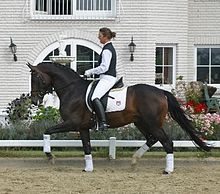
Horse TrainingBuying a racehorse is a long-term investment. To get the best out of your horse it is essential to choose the right trainer for both you and the horse. With a plethora of trainers to choose from, how can you make sure your horse is in the best possible hands? Here are some quick tips:

Results

The first thing to consider when choosing a racehorse trainer is their previous track record. Have they trained a number of winning horses or do they have limited success? You want your horse to be the best, so it needs to be trained by the best.
A successful racehorse trainer will have consistent results – it is not necessarily about the winning. If the trainer you choose has varying successes they may not be right for your horse. Don’t be afraid to ask potential trainers how well horses have run recently.

Facilities

In order to get the best out of a horse, the trainer you choose needs to have the appropriate facilities. Horses will perform best when they have a mixture of both indoors and outdoors training. The best trainers will have extensive gallops, as well as indoor walkers and training schools.
Many trainers will have an online archive of all of their training facilities for you to peruse. But make sure you ask to see each area when you visit. It is also important to check what rehabilitation facilities are available. Equine solariums and therapy bays are great ways to improve the performance of your horse.

Relationships

It is important that you have a great personal relationship with your trainer. A good trainer will update you regularly on your horse’s progress and keep you up-to-date with race fixtures and results.
You want a trainer that shares your passion for your horse and racing so it is important that you feel your horse is in the best possible hands. Even larger training schools should be taking the time to keep in touch with owners. Inquire about how much contact you will have and how regular it will be.

Location

The location of your racehorse trainer is also a key factor. If your horse is racing in a particular area, try to choose a training facility that is close by. It is not good for the horse to travel up and down the motorway regularly. You could also find yourself missing out on many races due to the constant traveling.
Many horses will only race in one area, and if they have already been competing a long distance move is not always the best option. Find out what courses your trainer uses, and research trainers in your local areas.

Fees

With many people tightening their purse strings it may seem tempting to choose the training facilities with the smallest price tag. However, small fees often mean quite basic facilities. When considering something as important as the trainer for your horse, it will be more beneficial to spend a bit more money.
High quality training facilities will boast the best facilities and locations for you horse. If you’re looking to produce a winner, it is a good idea to consider a sufficient investment. As with anything, it is advisable to shop around and do your research before committing to anything.

Jonjo O’Neill is one of the UK’s most successful racehorse trainers. He has an array of expert racehorse training facilities for training winning horses.

Posted in Horse Racing | Tagged , , , , , , , , | 1 Comment

The Sports Archives – England’s Finest Stadiums Set to Host 2015 Rugby World Cup

When the finest rugby players set foot in England in 2015 for the Rugby World Cup, they will have the pleasure of playing in some of the finest venues England has to offer. Despite the Cup being still a few years away, the anticipation is palpable. This article details the twelve proposed sites to be used, some already confirmed, with announcements naming all of the exact sites to be made later in 2012.

This image is courtesy of steeljam, Flickr.

The Big Venues

Wembley Stadium in London is known worldwide as one of the most majestic establishments ever to house sport. The 90,000 seat stadium was built upon the grounds of the old Wembley in 2007. It is the second largest stadium in Europe, behind only Camp Nou in Barcelona. The iconic Wembley Arch branches over the stadium over 134 meters high. It will host the (American) football finals during the 2012 London Olympics.

The fourth-largest stadium in Europe with an 82,000 capacity, Twickenham Stadium will also take center stage in the World Cup. Also in London, it is known as the home of English Rugby, a fitting title for such a historic stadium that opened all the way back in 1909. The World Rugby Museum is also located there, a must-see for any fans coming to watch the matches.

Old Trafford, owned and operated by Manchester United, will also lend its services to the prestigious World Cup. Its history is just as long as that of Twickenham, opening only a year after in 1910. The 76,000-plus capacity stadium is fittingly known as the “Theater of Dreams.” Perhaps the dreams of England’s own rugby team will come true on this very pitch.

Millennium Stadium is the lone one from Wales to be utilized in the tournament. Located in the Welsh capital of Cardiff, the 74,500 capacity stadium was opened in 1999.  Millennium Stadium was built to host the 1999 World Cup, so it is a fitting site for the games to take place 16 years later. Weather will not play a factor at Millennium Stadium, as it is one of the few to feature a retractable roof.

Image courtesy of purplemattfish, Flickr

The Intermediate Stadiums

Emirates Stadium, formerly known as Ashburton Grove, opened in 2006 with a capacity of 60,355. It is the home of Arsenal in the English Premier League. The stadium has a bit of an identity crisis, being referred to as both “The Emirates” as well as “The Grove” due to its prior name.

Officially known as SportsDirect.com @ St. James’ Park Stadium, it is more commonly referred to as simply St. James Park. Located in Newcastle upon Tyne, it is the home of the Newcastle United Football Club. The 52,409 seat stadium was opened in 1892 and has undergone a lengthy expansion in recent years. It is the northernmost stadium to be used for the tournament.

Anfield Stadium in Liverpool, home of Liverpool F.C., is the oldest stadium hosting tournament play, founded in 1884. After the acquisition of Liverpool by the Fenway Sports Group, it is assumed the Anfield will be renovated from its 60,355 capacity in the near future and kept as the home of the club. The early years of the stadium’s existence featured Everton as its tenant until their departure in 1892.

Elland Road, the almost 53,000 seat stadium, has been home to Leeds United since its founding in 1919. The stadium has undergone numerous renovations and expansions since the 1897 opening. Their team faced possible relocation back in 2001 but that plan was scrapped after financial troubles.

Small Stadiums, Big Hearts

The smallest stadiums to host matches in the 2015 Rugby World Cup are all beneath 33,000 capacity. While that might be the case, the atmosphere in each of these venues should still be absolutely electric for the matches taking place. St. Mary’s Stadium is home to Southampton F.C. and opened in 2001. Ricoh Arena, known as “The Ricoh”, is Coventry City‘s home and opened in 2005. Welford Road Stadium in Leicester features the home games of the Leicester Tigers rugby team. It has hosted seven international rugby matches since 1902. Kingsholm Stadium in Gloucester is the final stadium to be featured. Built in 1891, it is known as Castle Grim.

Image courtesy of mjsonline, Flickr.

Game on!

This article has been produced on behalf of Keith Prowse, a provider of official hospitality at some of the UK’s most sought after sporting events. Visit the website for Twickenham hospitality and tickets to many other sporting occasions.

Posted in Olympics, Other, Rugby, Soccer | Tagged , , , , , , , , , , , , , , , , , , , | 5 Comments

The Sports Archives – UEFA Champions League Final!

UEFA Champions League Final

This weekend, May 19th 2012, Germany’s premier soccer club Bayern Munich will take on English Premier League’s Chelsea FC for the finals of European champions league. Both teams reached the finals by overcoming the Spanish opposition with Bayern Munich beating Spanish giant Real Madrid, and Chelsea winning against the tournament favorites FC Barcelona.

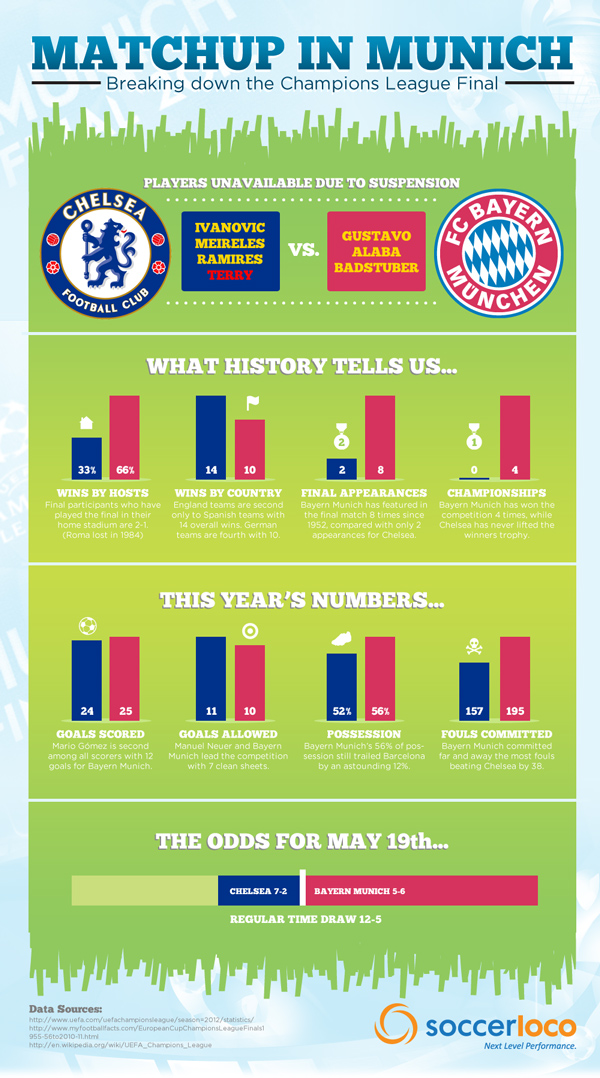
Some of the key players from both sides will be ineligible to play in the finals due to suspension. Bayern will be missing their key defenders David Alaba, , Holger Badstuber, and Luiz Gustavo while Chelsea FC will have to go to the field without their main defenders John Terry and Branislav Ivanovich. Chelsea is also missing midfielders Ramires and Raul Meireles. International players union also known as FIFPro has appealed to UEFA, the European soccer body, to allow the players who are suspended due to yellow cards accumulation play in the finals. It has been reported that UEFA have expressed that they have no intention of changing the rules, so the players mentioned above will remain suspended.

This game will be an exciting one, with Bayern going all out to win the trophy in front of their fans while Chelsea looking to triumph in what could be the last chance at Champions League glory for many of their aging players.

For a more detailed breakdown by the numbers, check out the infographic below provided by soccerloco.

UEFA Champions League Final

Posted in Soccer | Tagged , , , , , , , , , , , , , , , , , , , | 1 Comment

The Sports Archives – Reasons to Look forward to the London Olympics

2012 London OlympicsIt is now officially less than 100 days to go until the London 2012 Olympics and it seems safe to say that people are starting to get somewhat excited. The anticipation is building as the day of the opening ceremony draws closer, and the final preparations are being made ready for the arrival of thousands of athletes, media representatives and tourists all coming to the UK for the Olympic fortnight.

But if you’re someone who’s not yet particularly enthusiastic about the London Olympics, why exactly should you get excited? Here are a few reasons to look forward to the Games.

The athletes are amazing

Probably one of the main reasons to be excited about the Olympics is the fact that the athletes are so good at what they do. Most of us can only dream of being fit enough to run for the bus without getting out of breath, let alone run fast enough to break world records or swim well enough to beat absolutely everybody else in the world.

No matter what your opinion on sport in general, it’s pretty hard to deny that the Olympics show off the best of sport and all of the athletes are inspirational.

The UK is amazing

So, one of the main British pastimes might be moaning, and in particular moaning about our country, but when you think about it, it’s actually a pretty great place to live. There’s bags of history and culture and London is one of the great cities of the world. There will be absolutely loads to do in London and around the rest of the country during the Olympics, so even if you’re not that into the sport itself, there will still be plenty to entice. Besides, it isn’t often that we get a chance to show off how cool our country can be, so this is the UK’s time to shine (fingers crossed that the rain holds off!).

The spirit is infectious

As we get closer to the London Olympics, it’s possible to sense a bit of a change in the atmosphere. Even people who were previously skeptical about the Games are starting to get excited. People are coming from all over the world to watch them, and hundreds of millions more will be watching on television. It’s a genuinely Big Deal. All we can do now is keep our fingers crossed and hope that Team GB is inspired by competing in their home nation and bring home lots of medals! It’s sure to be a great couple of weeks.

Guest post by Liz from one of the hotels near the games. We will be cheering Team GB on from Richmond Hill Hotel near London 2012 Olympics!

Posted in Olympics | Tagged , , , , , , , , , , , | Leave a comment

The Sports Archives – Top Supercars of 2012!

What makes a supercar?

For a start it probably costs more than your house and ten-year-old kids will have posters of it all over their walls. Night after night they will dream about one day driving it through the school gates to choruses of rapturous applause.  It will reach 200 mph without breaking a sweat and brake so hard that your knees will pop imperceptibly out of their sockets. And, safe to say, you probably won’t see one round your local supermarket car park too often.

Supercars are all of these things: rare, expensive, exotic, powerful and exclusive. But for lovers of these complex machines it is something you can’t put your finger on that makes them so special. Supercars just have the X factor. Here are five of the latest high-end production cars that you could just walk out and buy tomorrow. Ahem … provided those lottery numbers are correct.

Koenigsegg Agera R: Top speed 260 mph

The Agera R is hot on the heels of the Bugatti to become the world’s fastest supercar. It bashes out 0-60 in just 2.9 seconds. The exterior of this beast is jaw dropping, straight out of the pages of a schoolboy’s intricate imagination. The interior is nice too – all plush leather and slinky gadgets. It could be yours for a mere $1,600,000.

Bugatti Veyron Super Sport: Top speed 267 mph

This is simply the fastest production car on the planet right now. It does 0-60 mph in a frightening 2.4 seconds.  It has a lightweight aluminum body and a 16 cylinder engine producing 1200 hp. It will set you back, oh, only a cool $2,400,000. Miraculously, the Veyron uses ten radiators, all of which are needed to help to keep the car cool after generating all that heat and speed.  At 267 mph, it’s a wonder the windshield doesn’t cave in!

SSC Ultimate Aero: Top Speed 257  mph

Shelby Supercars are the big American player in the hunt for the fastest supercar award – and they had it for quite a while. The Ultimate Aero had been the fastest car in the world from March 2007 to July 2010, and is still seen by many as one of the greatest supercars ever made. The two previous cars in this list, however, nicked that title back respectively. The Ultimate Aero has the most powerful engine out of any other road car producing 1,287 horsepower. Anything with the word ‘Ultimate’ in the title is always cool.

Koenigsegg CCX: Top Speed 245 mph

If you fancy a Koenigsegg but don’t feel like shelling out for the Agera R, the CCX is for you. It’s a bargain at only $545,568. Spare change really. This monster still does 0-60 in 3.2 seconds. But if you’re late for work by 0.3 seconds one day you only have yourself to blame.

Aston Martin One-77: Top Speed 220 mph

It might not be the fastest supercar of them all but it could well be the most beautiful. A favourite of one Mr James Bond, Aston Martin have always delivered on the aesthetic front. And this model is no different: every inch is luxury. There are only 77 being put into production. $1,850,000 each.  Second mortgage anyone? Better have a third one for good measure.

Catherine Halsey writes for a digital marketing company on a range of topics. This article links back to http://www.speedyglass.ca/.

Posted in Motorsports | Tagged , , , , , , , , , , , , , , , , , , | Leave a comment

The Sports Archives – Have You Tried Caving?

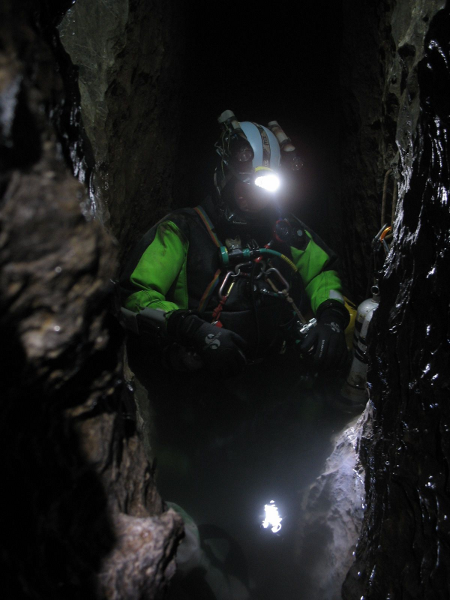
It’s hard to believe, but some people’s idea of an exciting and interesting day out is to crawl through tiny underground caverns and passages which are often half filled with water. Caving, which is also known as potholing, spelunking in the USA or speleology is growing in popularity with adventure seekers of all ages.

Caving

Getting Started

There are obvious risks in exploring caves which are deep underground, and the best way to get started in the sport is to join one of the numerous caving clubs and societies. Clubs have regular expeditions to local caves as well as trips further afield and even abroad. Caving can be a fantastic way of getting fit and seeing a totally different aspect to the British countryside. The main areas for cave systems in the UK are in North Yorkshire, the Mendip hills, Derbyshire and South Wales, so geographical proximity to these areas offers greater possibilities for caving. Bristol is the center of caving in the UK, and is home to the UK’s oldest organized caving club.

Equipment

It is foolhardy and inadvisable to go off exploring caves without the proper equipment. There is a big crossover between caving and climbing equipment, and many of the same items are used. Cavers require hard hats to protect them from low roof areas or falling debris, and many have helmets with lights mounted on them to help with navigating through the cave system. Thermal and waterproof clothing is often worn, as are waterproof hiking boots. Climbing equipment such as ropes, harnesses and knives are used for ascending and descending almost vertical rock faces. All responsible cavers will also carry whistles and emergency supplies such as first aid kits.

Cave Exploration

Caving as a sport has been popular in the UK for over a century, and as a consequence of its popularity, all of the major cave systems in the UK have been thoroughly explored and mapped. This makes caving easier for novices, as comprehensive maps are available for guidance. For experienced cavers who prefer to strike out on their own and discover an underground world where nobody has gone before, the best caving opportunities are overseas. One of the most popular destinations for caving is Mexico, where there are large numbers of underwater caves just waiting to be explored fully.

Safety

Caving is thought of as a dangerous sport, but it does not necessarily have to be risky if a few sensible precautions are taken. Never go down into a cave system alone, and always let someone know where you are going and what time you expect to be back. Carry some emergency first aid supplies and extra clothing as the main causes of hospitalization due to caving injuries are hypothermia and injuries sustained in falls. Check the weather forecast carefully, as heavy rainfall nearby can result in dry caves flooding with water very rapidly. Getting lost is a problem sometimes experienced by novice cavers, so caving with experienced cavers is the best way to stop this happening.

Citations:

Trekitt offer a large range of climbing equipment, some of which is suitable for cave diving as well as mountain climbing.

Posted in Other | Tagged , , , , , , , , , , , | 2 Comments