
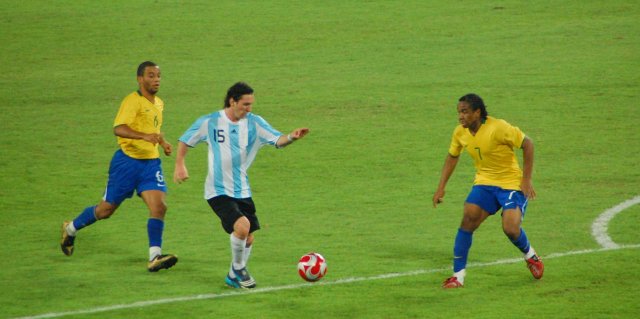
As the world prepares for the largest tournament in soccer history, the 2026 FIFA World Cup brings with it not only expanded teams and new host nations, but also intense speculation about which country will lift the trophy. With 48 teams competing across the United States, Canada, and Mexico, predicting a winner has never been more complex—or more compelling.
Much like the unpredictability seen in events such as March Madness upsets, the World Cup thrives on surprises. However, betting odds and historical trends still provide a strong indication of which teams are most likely to succeed.
The Current Favorites
According to current betting markets, Spain enters the 2026 tournament as the favorite, with odds around +450. Close behind are France and England, both hovering near +600, followed by Brazil and defending champions Argentina in the +800 to +850 range. These teams consistently rank among the world’s elite due to a combination of talent depth, international experience, and recent tournament success. Spain’s emergence as the top favorite reflects its strong tactical system and a new generation of elite players, while France continues to rely on world-class talent and athleticism.
Why Spain Leads the Odds
Spain’s position at the top of the odds board is no accident. Their recent dominance in international competitions, combined with a deep roster of technically gifted players, makes them one of the most complete teams entering the tournament.
Unlike teams that rely heavily on individual stars, Spain’s strength lies in its system. Ball control, spacing, and discipline allow them to dictate the pace of matches, which is critical in a tournament setting where a single mistake can end a campaign.
France, England, and the Next Tier
France remains one of the most dangerous teams in the world, featuring elite attacking talent and a track record of success in recent tournaments. England, meanwhile, has consistently reached the later stages of international competitions and continues to build a balanced squad capable of competing with any opponent.
Brazil and Argentina round out the top tier. Argentina enters as the defending champion, aiming to repeat a feat not accomplished since Brazil’s back-to-back titles in 1958 and 1962.
Dark Horses and Emerging Contenders
Beyond the favorites, several teams could surprise. Countries like Portugal, the Netherlands, and Morocco have been identified as strong challengers capable of making deep runs. Morocco, in particular, gained global attention after its historic semifinal appearance in the previous World Cup.
Additionally, the expanded 48-team format increases the likelihood of unexpected outcomes. With more teams advancing to the knockout rounds, underdogs will have more opportunities to build momentum and challenge traditional powers.
What About the Host Nations?
The United States, Canada, and Mexico all qualify automatically as host nations, but their chances of winning remain relatively low compared to the global powers. Models project each of these teams with only a small probability of winning, with Mexico slightly ahead among the hosts.
However, playing on home soil can provide a significant advantage. Familiar environments, strong crowd support, and reduced travel demands have historically helped host nations outperform expectations.
How the Expanded Format Changes the Odds
The 2026 World Cup introduces a new format with 48 teams and an expanded knockout stage. This structure increases the number of matches and adds an additional round, creating more opportunities for both favorites and underdogs to advance.
For top teams, this means more chances to recover from early setbacks. For underdogs, it provides additional opportunities to create the kind of memorable runs that define international tournaments.
The Reality of World Cup Predictions
While betting odds provide insight, the World Cup has always been defined by its unpredictability. Injuries, momentum, and single-game elimination all play a role in determining outcomes.
Much like the dramatic finishes and surprises seen in other major sporting events covered on your blog, the World Cup consistently reminds fans that even the strongest teams are not guaranteed victory.
Final Thoughts
As of now, Spain, France, and England lead the race to win the 2026 FIFA World Cup, with Brazil and Argentina close behind. Yet history shows that the tournament rarely follows a simple script.
In the end, the World Cup is not just about odds—it is about moments. Whether it is a last-minute goal, a breakout star, or an unexpected run, the tournament continues to deliver the kind of drama that defines sports at the highest level.


Pingback: The Sports Archives – Pelé: The Life and Greatest Moments of Soccer’s First Global King | The Sports Archives Blog