
The 1981 Major League Baseball season remains one of the strangest chapters in baseball history. What began as a promising year filled with star players, pennant races, and the excitement of summer was interrupted by a labor dispute that shut the sport down in midseason. For nearly two months, ballparks went quiet, standings froze, and fans were left wondering when, or whether, baseball would return.
The strike did more than shorten the season. It changed the playoff format, created controversy over fairness, and revealed how much the business side of baseball could shape what happened on the field. In a sport often called America’s pastime, the 1981 strike showed that even tradition could be disrupted by modern labor battles.
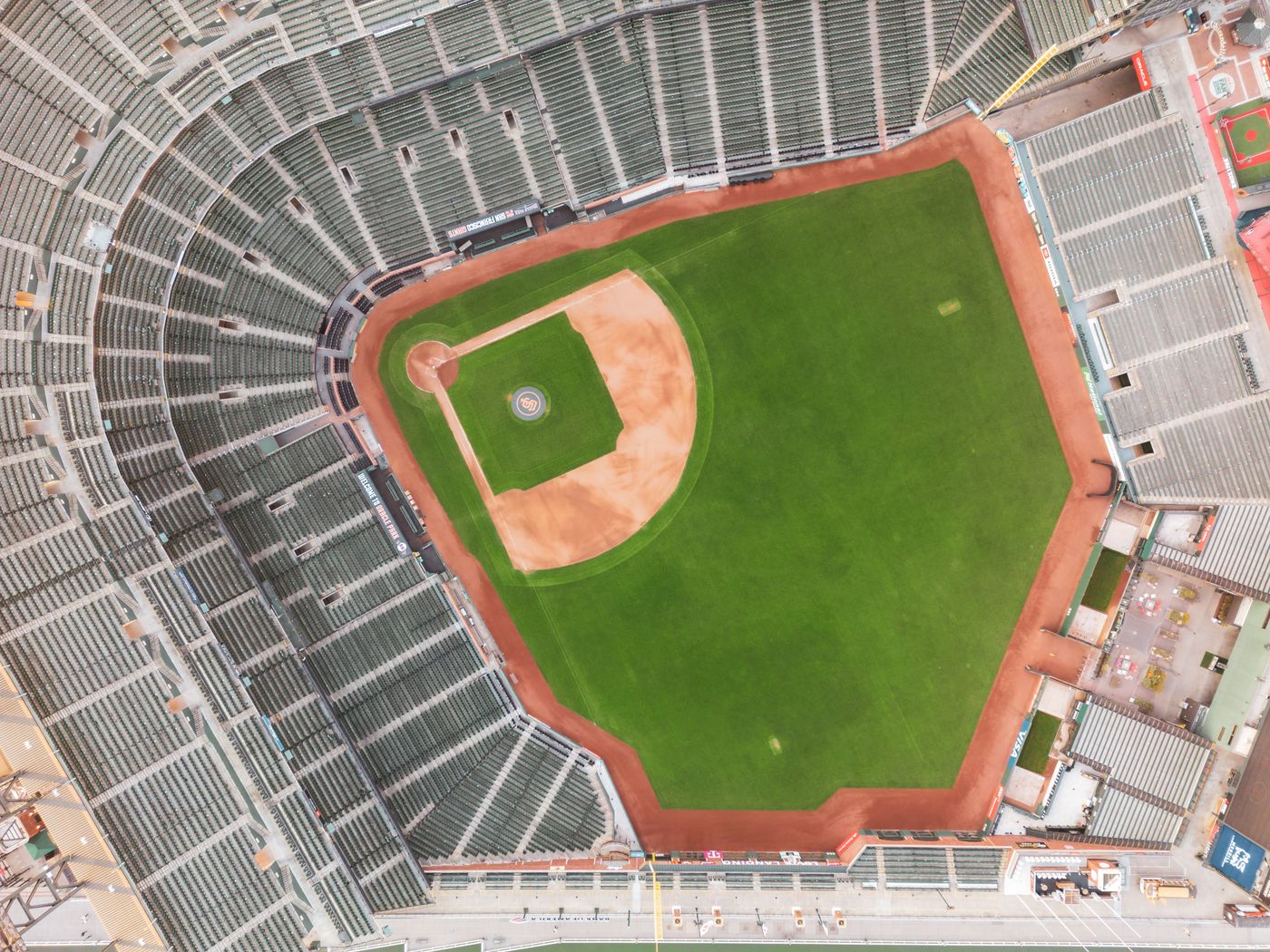
Pexels.
The Issue Behind the Strike
At the heart of the 1981 strike was the question of free-agent compensation. Owners wanted protection when they lost a top player to free agency, arguing that teams deserved something in return when valuable talent signed elsewhere. Players and the Major League Baseball Players Association saw the proposal differently. To them, direct compensation threatened the free agency system they had fought hard to establish in the 1970s.
The concern was simple: if signing a free agent forced a team to give up a roster player or other significant compensation, fewer teams might pursue free agents aggressively. That, in turn, could weaken player leverage and reduce salaries. The dispute became a battle over the meaning of free agency itself.
Baseball Goes Dark
The strike began on June 12, 1981, stopping the season in the middle of the schedule. Games disappeared from the calendar, ballparks sat unused, and fans who had planned summer nights around baseball were left with silence. The stoppage lasted 50 days before a settlement was reached on July 31.
Even after the agreement, the season did not simply resume as if nothing had happened. Major League Baseball faced a major problem: too many games had been lost to create a normal, balanced season. The solution was one of the most unusual experiments in baseball history.
The Split-Season Format
Instead of combining all games into one continuous season, MLB divided 1981 into two halves. The teams leading each division when the strike began were declared first-half champions. After play resumed, the remaining games formed a second half, with new division winners determined separately.
This created a temporary Division Series round, with first-half and second-half division winners facing each other for the right to advance to the League Championship Series. It was a format designed to restart interest and give more teams something to play for, but it also produced immediate controversy.
The Reds, Cardinals, and the Fairness Debate
The split season led to one of the oddest outcomes in baseball history. The Cincinnati Reds finished with the best overall record in the National League, yet they missed the postseason because they finished second in the NL West in both halves. The St. Louis Cardinals suffered a similar fate in the NL East, finishing with the division’s best full-season record but failing to win either half.
For many fans, this made the 1981 postseason feel artificial. Teams that had performed best across the entire season were left out, while teams that won a half-season segment advanced. The format created drama, but it also raised a difficult question: should a championship reward the best full-season team or the team that best survives the rules in place?
The Dodgers Win It All
When baseball returned, the Los Angeles Dodgers became the team most associated with the unusual season. They won the first half of the NL West, survived the expanded postseason, and eventually defeated the New York Yankees in the World Series.
The Dodgers’ championship still counts like any other, but the path was unlike anything modern baseball had seen. The 1981 season became a reminder that baseball history is not only shaped by legendary players and great games, but also by labor negotiations, schedules, and league decisions.
Why the 1981 Strike Still Matters
The 1981 strike was not the last labor crisis baseball would face. The sport would later endure the devastating 1994 strike, which canceled the World Series entirely. But 1981 remains important because it showed how quickly the rhythm of a baseball season could be broken.
Baseball is often remembered through iconic moments, such as Babe Ruth’s legendary Called Shot, but the game’s history also includes conflicts that happened far from the batter’s box. The 1981 strike belongs to that second category: a turning point that revealed the tension between tradition, business, and labor.
The stoppage also challenged baseball’s cultural identity. As discussed in The Sports Archives Blog’s look at baseball versus football as America’s pastime, baseball’s place in American culture has always depended on continuity, nostalgia, and fan loyalty. The 1981 strike tested all three.
A Season Baseball Fans Never Forgot
The 1981 strike did not erase baseball’s popularity, but it left a lasting mark. It shortened the season, created a controversial playoff format, and reminded fans that even the most traditional sport could be reshaped by economics.
More than four decades later, the 1981 season remains a fascinating case study in how labor conflict can alter sports history. It was a summer when the box scores stopped, the standings froze, and Major League Baseball learned that preserving the game meant more than simply playing it.


