
Baseball has produced countless dramatic home runs, but few have carried the mythic weight of Kirk Gibson’s walk-off shot in Game 1 of the 1988 World Series. On October 15, 1988, at Dodger Stadium, the Los Angeles Dodgers trailed the Oakland Athletics 4-3 with two outs in the bottom of the ninth inning. The Athletics were favored, closer Dennis Eckersley was on the mound, and Gibson was not even expected to play.
Then Gibson limped out of the dugout, stepped into the batter’s box, and delivered one of the most unforgettable swings in baseball history. His two-run home run gave the Dodgers a 5-4 victory and instantly became one of the defining moments of the World Series.
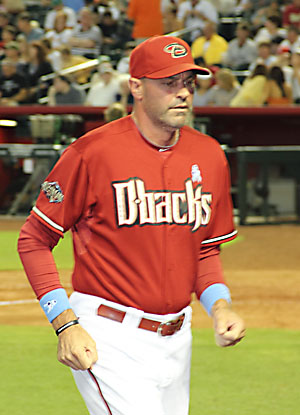
Image source and license.
The Setting: Dodgers vs. Athletics
The 1988 World Series opened with a sharp contrast between the two teams. Oakland arrived as the powerful favorite. The Athletics had won 104 regular-season games and featured stars such as Jose Canseco, Mark McGwire, Dave Stewart, and Dennis Eckersley. They looked like the stronger team on paper and had swept the Boston Red Sox in the American League Championship Series.
The Dodgers, meanwhile, had built their postseason run on pitching, defense, resilience, and timing. Orel Hershiser had been dominant, Tommy Lasorda had pushed the right buttons, and Los Angeles had survived a tough National League Championship Series against the New York Mets. Gibson, the National League MVP, had helped carry the Dodgers all season, but by the World Series he was badly injured.
The Sports Archives Blog has previously explored other legendary postseason swings, including Bobby Thomson’s 1951 Shot Heard Around the World and Bill Mazeroski’s 1960 World Series home run. Gibson’s blast belongs in that same category because it transformed a championship game in an instant.
An Injured Star Watching From the Clubhouse
Gibson had damaged his left hamstring and right knee during the NLCS, leaving him barely able to walk, let alone swing against one of the best closers in baseball. He did not start Game 1 and spent much of the night away from the dugout, receiving treatment and watching the game on television.
NBC broadcaster Vin Scully famously noted during the telecast that Gibson was nowhere to be found. Gibson heard the remark and began preparing himself, determined to prove that he could still take one swing if the Dodgers needed him. That possibility seemed remote, but baseball’s greatest moments often begin with the unlikely.
The Ninth Inning
Oakland led 4-3 entering the bottom of the ninth. Eckersley retired the first two Dodgers hitters, bringing Los Angeles to its final out. Then Mike Davis drew a walk, giving the Dodgers a baserunner and bringing the pitcher’s spot to the plate.
That was when Lasorda made the move. Gibson emerged as a pinch hitter, visibly hobbled, struggling to move, yet still carrying the presence of the Dodgers’ emotional leader. The crowd reacted immediately. Even before the at-bat unfolded, the sight of Gibson coming to the plate created one of those rare sports moments when everyone watching understood something memorable might happen.
The At-Bat Against Eckersley
Eckersley quickly got ahead in the count. Gibson looked overmatched at first, swinging mostly with his upper body because his legs could not support a normal swing. He fouled off pitches, battled through pain, and slowly worked the count full.
The key moment came before the 3-2 pitch. Gibson remembered a scouting report that suggested Eckersley might throw a backdoor slider in that situation. He waited for it. When the pitch came, Gibson swung and lifted the ball toward right field.
The ball carried into the right-field seats. Dodger Stadium exploded. Gibson began his painful trip around the bases, pumping his right fist as he rounded second base. It became one of the most iconic images in baseball history.
“The Impossible Has Happened”
Vin Scully’s call gave the moment its perfect soundtrack. Rather than overwhelm the scene, Scully allowed the crowd to tell the story before delivering the line that has followed the play ever since: “In a year that has been so improbable, the impossible has happened.”
Jack Buck’s radio call became famous in its own right, especially his stunned reaction: “I don’t believe what I just saw!” Together, the television and radio calls helped preserve the home run as more than a highlight. They turned it into a piece of American sports memory.
Why the Home Run Still Matters
Gibson never had another plate appearance in the 1988 World Series. That fact makes the moment even more extraordinary. His only swing of the Fall Classic was not just meaningful, it changed the tone of the entire series.
The Dodgers went on to defeat the Athletics in five games, completing one of the most surprising championship runs of the era. Like Hank Aaron’s 715th home run, Gibson’s swing became larger than the box score. Aaron’s homer changed baseball’s record book; Gibson’s changed the emotional direction of a World Series.
The Sports Archives Blog has also covered baseball’s broader turning points, including the 1981 baseball strike. Gibson’s 1988 home run serves as the opposite kind of memory: not a disruption of baseball’s rhythm, but a reminder of why fans return to the game in the first place.
Watch Kirk Gibson’s 1988 World Series Home Run
The Legacy of One Swing
Kirk Gibson’s home run remains unforgettable because it combined every ingredient of great sports drama: injury, pressure, surprise, timing, and consequence. The Dodgers were down to their final out. The opposing closer was elite. Gibson could barely run. Yet one swing changed everything.
More than three decades later, the image of Gibson hobbling around the bases still captures the romance of baseball. It was not the longest home run, nor the most statistically dominant performance. It was something better: a moment when belief briefly overcame logic, and the impossible truly seemed to happen.


