
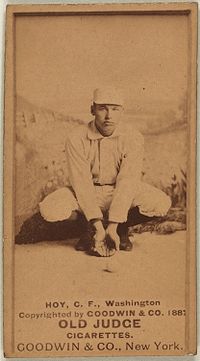
Dummy Hoy Baseball Card
Sports memorabilia has evolved from a niche hobby into a global market worth billions of dollars. What was once a pastime centered on collecting baseball cards has transformed into a sophisticated industry where rare items sell for record-breaking prices. Today, collectors value authenticity, rarity, historical significance, and emotional connection more than ever before. Understanding what drives value in sports memorabilia reveals not only how the market works, but also what fans cherish most about sports history.
1. Game-Worn and Game-Used Items
At the top of the memorabilia hierarchy are items directly tied to game action. Jerseys worn during historic games, bats used in record-breaking performances, and equipment tied to iconic moments consistently command the highest prices. These items are valued because they are physical pieces of history, connecting collectors directly to a moment that cannot be replicated.
As highlighted in Sports Memorabilia – Decoration and Pride, collectors often display these items not just for value, but for personal pride and connection to their favorite teams and athletes.
2. Trading Cards and the Modern Card Boom
Trading cards remain one of the most popular forms of sports memorabilia, but the market has changed dramatically. Modern collectors place a premium on graded cards, limited-edition prints, and rookie cards of star players. Condition is everything, with professional grading services assigning scores that directly impact value.
The long history of card collecting is explored in Baseball Card Manufacturing Broken Down in 5 Steps, which explains how rarity, player popularity, and condition all contribute to a card’s worth.
Today, high-end cards have become serious investment assets, with rare examples selling for millions, reinforcing the importance of scarcity and preservation.
3. Autographs and Verified Signatures
Autographed items have long been a staple of sports memorabilia, but in today’s market, verification is critical. Collectors seek authenticated signatures backed by trusted certification services. Without proper authentication, even a genuine autograph may have limited value.
As discussed in Getting an Autograph From a Superstar, the experience of obtaining a signature adds emotional value, making the item more meaningful beyond its monetary worth.
4. Items Tied to Historic Moments
Memorabilia linked to specific, well-known events often holds exceptional value. Items connected to championship games, record-breaking performances, or culturally significant moments tend to attract the most attention from collectors.
Even unusual events can create value, such as in the story of Derek Jeter’s stolen bat, which demonstrates how association with a well-known player can elevate an item’s importance.
5. Rarity and Auction Value
Scarcity plays a major role in determining value. Limited-edition items, one-of-a-kind collectibles, and memorabilia tied to historic achievements often reach extraordinary prices at auction.
Examples highlighted in Cheap at Half the Price show how items like World Cup match balls, jerseys, and medals can sell for hundreds of thousands—or even millions—depending on their significance.
6. The Role of Fans and Emotional Value
While high-end collectibles dominate headlines, not all memorabilia value is financial. Many collectors prize items for their personal connection to a team or player. A signed ball, ticket stub, or team jersey can hold lifelong sentimental value.
As noted in Sports Memorabilia Facts and Figures, the true value of memorabilia often lies in the joy and pride it brings to fans, rather than its resale price.
The Evolution of the Memorabilia Market
Today’s sports memorabilia market is driven by a combination of history, scarcity, and storytelling. Items tied to iconic players and unforgettable moments continue to dominate, while modern trends such as online auctions and global fan engagement expand the reach of the market.
Whether it is a multimillion-dollar collectible or a simple signed photo, the value of sports memorabilia ultimately comes down to connection. Each item represents a piece of the game, a moment frozen in time, and a way for fans to hold onto the history they love.


 The Sports Archives Blog