
Each spring, millions of fans turn their attention to one of the most unpredictable and exciting events in American sports: the NCAA men’s basketball tournament, better known as March Madness. What began as a small postseason competition has grown into a national ritual built on buzzer-beaters, bracket pools, and upset victories that live for decades in sports memory. The roots of the tournament, however, were far more modest than the spectacle it became.
The First Tournament in 1939

Source.
The first NCAA men’s basketball tournament was held in 1939 and included only eight teams. Oregon defeated Ohio State 46-33 to win the first national championship. At the time, the NCAA tournament was not yet the dominant postseason event in college basketball, as the National Invitation Tournament, or NIT, carried more prestige in the early years.
Still, the NCAA tournament had one major advantage: it was positioned to grow alongside the expanding influence of college athletics. As more schools, conferences, and fans invested in the game, the event slowly gained stature and began its rise toward becoming the centerpiece of the college basketball season.
How the Tournament Grew
Source.
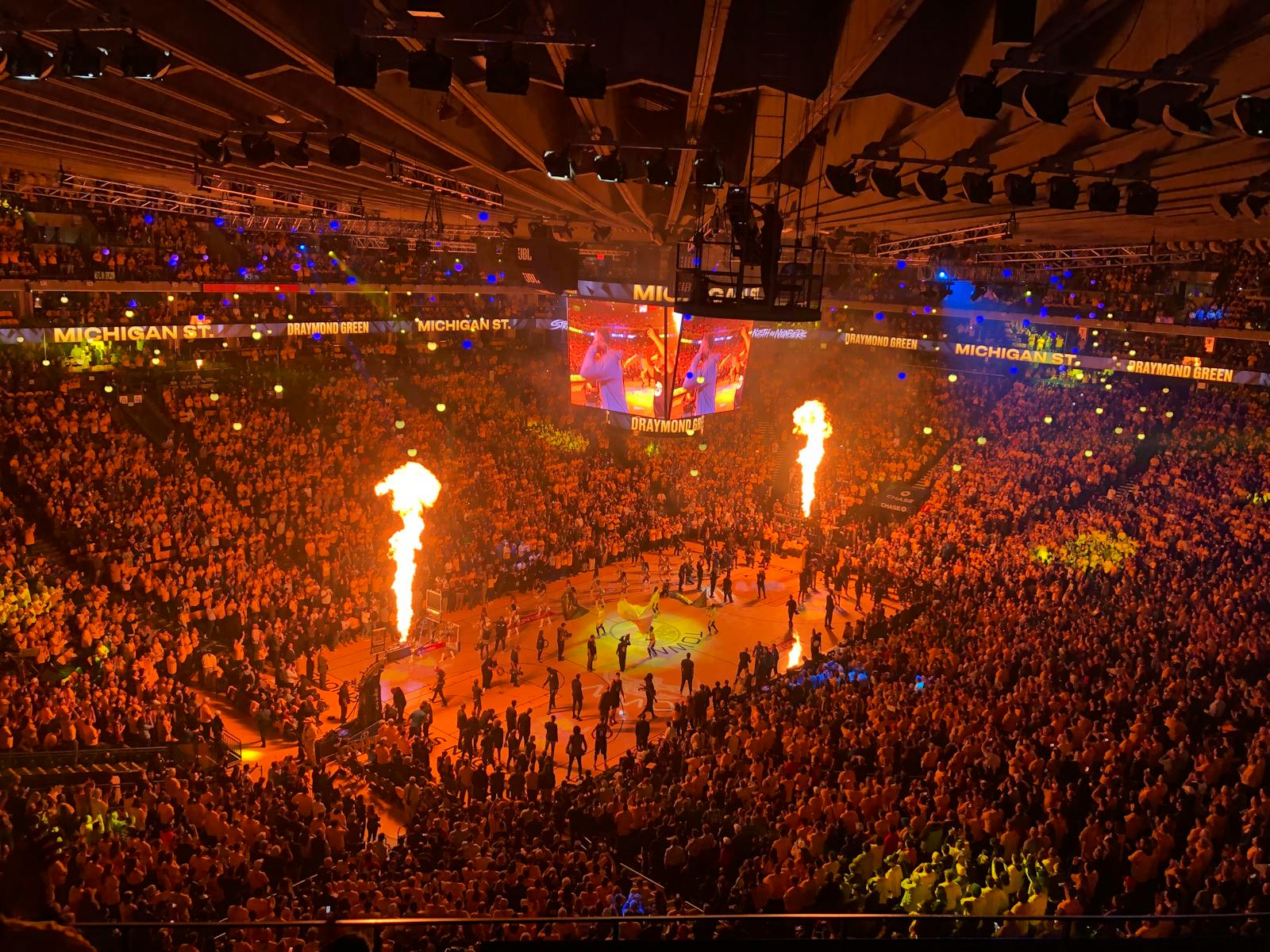
The tournament expanded steadily over time, from eight teams in 1939 to 16 in 1951, 32 in 1975, and 64 in 1985. That 64-team structure helped create the modern identity of March Madness by making room for more conferences, more Cinderella stories, and more nationwide interest. The field later expanded again, and today the men’s tournament includes 68 teams.
That expansion changed everything. A larger bracket meant more regions of the country were represented, more fan bases could participate, and more opportunities existed for lower-seeded teams to shock heavily favored opponents. The tournament’s growth turned it from a championship event into a cultural event.
Where the Phrase “March Madness” Came From
Source.
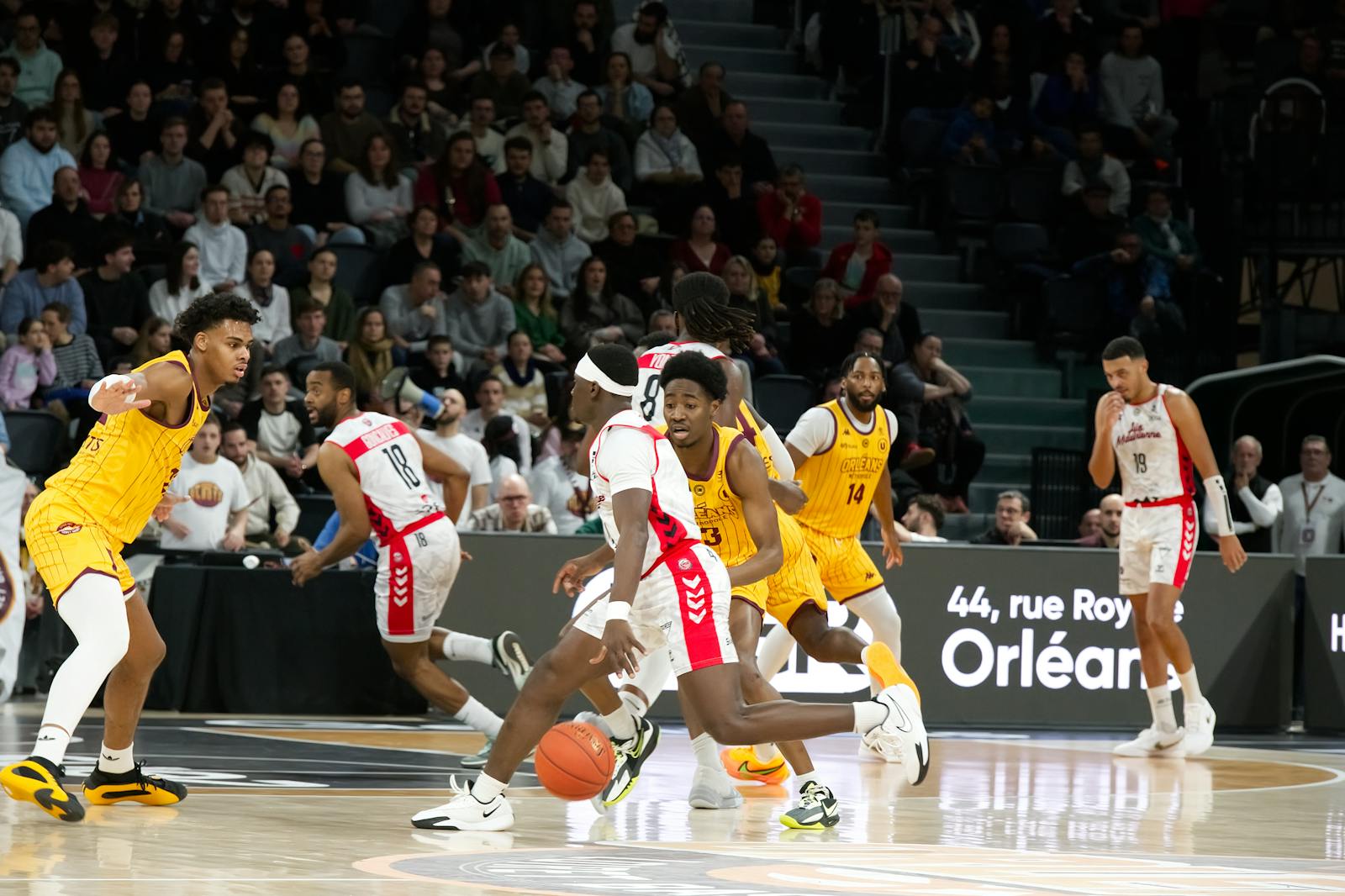
The phrase “March Madness” did not begin with the NCAA tournament itself. It was first used in 1939 by Illinois high school official Henry V. Porter to describe the excitement surrounding high school basketball in March. Decades later, broadcaster Brent Musburger helped popularize the phrase in connection with the NCAA tournament, and it soon became inseparable from the event.
The label fit perfectly. No other major tournament combined pressure, unpredictability, and emotional swings quite like the NCAA bracket. The phrase captured the atmosphere of sudden endings and sudden glory better than any formal title ever could.
Why March Madness Endured

Source.
What truly separates March Madness from other championships is its single-elimination structure. One bad half, one missed free throw, or one miraculous shot can end a season or create a legend. That format has produced some of the most memorable moments in sports history and helped turn the tournament into one of the most watched annual events in the United States.
March Madness endures because it offers something rare in modern sports: genuine unpredictability. Blue-blood programs and small schools enter the same bracket, and for a few weeks every spring, the possibility of the impossible feels real. From its eight-team beginning in 1939 to its place as a national obsession today, the tournament’s history is a reminder that the best sporting traditions are often the ones that grow far beyond what their founders ever imagined.


 The Sports Archives Blog